 Özgür Politika -- 03-Eylül 2004 Cuma (Cached) |
Free
POLITICS — 3 September 2004 Friday [Reviews of 3 books by Erkan Karagöz, translated by Forrest McMunn] |
Unutulmuş bir tarihin yitik insanları |
The Lost People of a Forgotten History |
| A. Ömer Türkeş | by A. Ömer Türkeş |
| Erkan Karagöz, 1954 Kars doğumlu. Amed'de önce Eğitim Enstitüsü Sosyal Bilimler Bölümü'nü ardından Hukuk Fakültesi'ni bitirmiş, 1978'de başlayıp beş yıl sürdürdüğü öğretmenlik mesleğini, avukatlık stajını tamamladıktan sonra bırakarak serbest avukat olarak çalışmaya başlamış. Amed'de tiyatro yönetmenliği ile adım attığı sanatsal uğraşısını çeşitli dergilerde yayımladığı öykü, şiir ve eleştiri yazıları ile sürdüren Karagöz'ün yayımlanmış araştırma kitaplarının yanısıra "Rus Kızı Vasilisayla"(2002) adlı bir de romanı var. | Erkan Karagöz was born in
Kars in 1954. After finishing the Social Science Section
of the
Education Institute in Amed [Kurdish name for Diyarbakir],
he then
finished the Law Faculty; after completing his internship
as an
attorney, he left the profession of teaching, which he had
begun in
1978 and continued for five years, and began to work as an
independent
attorney. Karagöz began his artistic efforts by directing
theater in Amed, and has published short stories, poetry,
and reviews
in various journals; he has also written research works
and a novel
entitled The Russian
Girl Vasilisa
(Rus
Kızı Vasilisa), published in 2002. |
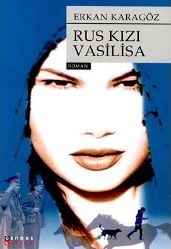 "Rus
Kızı Vasilisayla" da,
Mustafa Kemal'in Samsun'a hareketinin hemen öncesinde,
Ocak
1919'da kurulup sınırları Batum, Ardahan ve Kars'la
çevrilen
Anadolu'nun ilk çok kültürlü, demokratik ve
bağımsız cumhuriyeti niteliğini atfedebileceğimiz
"Cenubi-Garbi Kafkas
Milli Hükümeti"nin kısa süreli ömrünü,
harekete omuz veren Şevket'in hayatı üzerinden
canlandırırken
edebiyat üzerinden karşı tarih yazmıştı Erkan Karagöz.
İnançları gereği askerlik yapmayı reddeden Malakanların
-Kazım
Karabekir tarafından- Bolşeviklik gerekçesiyle Kars'tan
sürgün edilmelerini, savaş fırsatçılarının Rus, Ermeni
ve Malakan mallarını sahiplenmelerini, Osmanlı-Rus,
Ankara-Sovyet
ilişkilerindeki gelişmeleri ve bölgenin etnik haritasının
zenginliğini yansıtan "Rus Kızı Vasilisayla", Erkan
Karagöz'ün aynı konuya yoğunlaştığı "Kars ve
Çevresinde Aydınlanma Hareketleri" adlı tarih
araştırmasının
bilgisi ışığında kaleme alınmıştı. "Rus
Kızı Vasilisayla" da,
Mustafa Kemal'in Samsun'a hareketinin hemen öncesinde,
Ocak
1919'da kurulup sınırları Batum, Ardahan ve Kars'la
çevrilen
Anadolu'nun ilk çok kültürlü, demokratik ve
bağımsız cumhuriyeti niteliğini atfedebileceğimiz
"Cenubi-Garbi Kafkas
Milli Hükümeti"nin kısa süreli ömrünü,
harekete omuz veren Şevket'in hayatı üzerinden
canlandırırken
edebiyat üzerinden karşı tarih yazmıştı Erkan Karagöz.
İnançları gereği askerlik yapmayı reddeden Malakanların
-Kazım
Karabekir tarafından- Bolşeviklik gerekçesiyle Kars'tan
sürgün edilmelerini, savaş fırsatçılarının Rus, Ermeni
ve Malakan mallarını sahiplenmelerini, Osmanlı-Rus,
Ankara-Sovyet
ilişkilerindeki gelişmeleri ve bölgenin etnik haritasının
zenginliğini yansıtan "Rus Kızı Vasilisayla", Erkan
Karagöz'ün aynı konuya yoğunlaştığı "Kars ve
Çevresinde Aydınlanma Hareketleri" adlı tarih
araştırmasının
bilgisi ışığında kaleme alınmıştı. |
In The Russian Girl Vasilisa,
Erkan Karagöz wrote a dissident history, via literature,
by
portraying the short life of the “Southwestern Caucasus
National
Government” which was established in January 1919, just
before Mustafa
Kemal [Atatürk’s] landing at Samsun, in the area between
Batum,
Ardahan, and Kars, and which we can characterize as
Anatolia’s first
multicultural, democratic, and independent republic. He
brings
the republic to life via the life of Şevket, who has given
his support
to this movement. “The Russian Girl Vasilisa” portrays the
deportation from Kars of the Molokans,
who due to their faith refuse military service, on the
orders of
General Kazım Karabekir based on charges of Bolshevism;
the acquisition
of the Russians’, Armenians’, and Molokans’ properties
by war profiteers; developments in relations
between the Ottomans and the Russians, and later between
Ankara and the
Soviets; and the richness of the region’s ethnic map. It
was
written in light of the information contained in Erkan
Karagöz’s
own historical study, “Enlightenment Movements in Kars and
the
Vicinity” (Kars ve Çevresinde Aydınlanma Hareketleri), in
which
he focused on these same issues. |
Cenubi-Garbi Kafkas Cumhuriyeti |
The Southwestern Caucasus Republic |
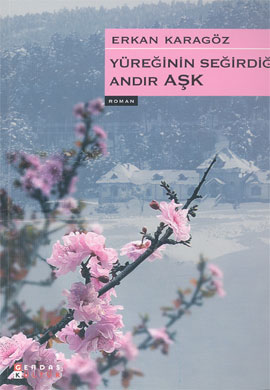 "Yüreğinin
Seğirdiği
Andır
Aşk", ilk romanın bittiği yerden başlıyor.
Ado beyin adamları tarafından pusuya düşürülen Şerif
ölmüş, karısı
Türkez, çocukları Selvinaz, Aslan ve Cevanşir'le yalnız
kalmıştır. Bu
nedenle Şevket'in kardeşi Bayram'la evlenmek zorunda
kalır.
Çocuklarının kabullenemediği mutsuz bir evlilik olacaktır
bu. "Yüreğinin
Seğirdiği
Andır
Aşk", ilk romanın bittiği yerden başlıyor.
Ado beyin adamları tarafından pusuya düşürülen Şerif
ölmüş, karısı
Türkez, çocukları Selvinaz, Aslan ve Cevanşir'le yalnız
kalmıştır. Bu
nedenle Şevket'in kardeşi Bayram'la evlenmek zorunda
kalır.
Çocuklarının kabullenemediği mutsuz bir evlilik olacaktır
bu.Halkın kahraman olarak gördüğü Şevket'in ailesine devlet sahip çıkar, Ermenilerden boşalan bir eve yerleştirilir, aç kalmayacak kadar bir toprak tahsis edilir. Şevket'in arkadaşları ise Ado beyi öldürürler. Ne var ki aile mutlu değildir. Cumhuriyet'in kurulmasından sonra Bayram'ın karşı çıkmasına rağmen Cevanşir okula başlar, öğretmeninin zoruyla köy enstitüsüne gönderilir. |
Love
is the Moment the Heart
Skips a Beat [2004] (Yüreğinin Seğirdiği Andır
Aşk) begins
where the
first novel lets off. Şerif, who has been ambushed by Ado
bey’s
men, has died, and his wife Türkez is left on her own with
their
children Selvinaz, Aslan, and Cevanşir. She thus is
obliged to
marry Şevket’s brother, Bayram. This will be an unhappy
marriage
which the children are unable to accept. The state helps out the family of Şevket, whom the people see as a hero, and they are settled into a house that has been vacated by Armenians, and are given sufficient land to ensure that they do not go hungry. Meanwhile, Şevket’s friends kill Ado bey. The family is still not happy, however. After the establishment of the Republic, Cevanşir begins school, despite Bayram’s opposition, and then is forcibly sent by his teacher to a Village Institute. |
| Kürt isyanları yıllarıdır.
Babasının izinden giden Aslan, liseyi Bakü'de tamamlamış
60'lık
Soro'nun ardına takılır, Asdo adını alıp dağa çıkar. Ancak
Soro,
Asdo'daki cevheri farkedecek, eğitim alması için ikna edip
köye, öğretmenin hizmetine gönderecek ve Asdo
aydınlanmaya başladıkça babasının Cenubi-Garbi Kafkas
Cumhuriyeti mücadelesini kavrayarak sol düşüncelere
bağlanacaktır. |
It is the years of the
Kurdish
revolts. Aslan, following in his father’s footsteps,
becomes a
follower of the 60-year-old Soro, who had graduated from
high school in
Baku; he takes the name Asdo, and goes into the mountains
[i.e., as an
outlaw]. But Soro recognizes the character of Asdo and
convinces
him to go down to the village and serve the teacher in
order to get an
education, and as Asdo begins to become enlightened, he
comprehends the
struggle for the Southwestern Caucasus Republic and takes
up leftist
ideas. |
| Romanın son bölümünde zaman ve mekan sıçraması ile İstanbul'a geliyoruz. Cevanşir bir sahaf olarak çıkıyor karşımıza. Yazar, onların başlarından nelerin geçtiğini üçüncü ve son cilde bırakmış. | In the final portion of the
novel, with a leap in both time and place, we come to
Istanbul.
Cevanşir is a used-book dealer. The writer has left what
has
befallen them to the third and final volume. |
Anadolu mozaiği ve Malakanlar |
The Anatolian mosaic and the Molokans |
| Erkan
Karagöz, "Rus Kızı Vasilisayla" ve "Yüreğinin Seğirdiği
Andır
Aşk" romanlarıyla "Kars ve Çevresinde Aydınlanma
Hareketleri"
adlı tarih araştırmasında bir yandan unutulmuş bir tarihi
ve siyasi
gelişmeleri hatırlatırken diğer yandan etnik kültürlerin
sıklıkla gündeme taşındığı günümüzde
çoğumuzun adını hiç işitmediği mazlum bir Anadolu
halkını, unutulup giden "Malakan"ları tanıtıyor okuyucuya. |
Erkan Karagöz, both in his
novels The Russian Girl
Vasilisa
and Love is the Moment
the Heart
Skips a Beat and in his historical investigation
“Enlightenment
Movements in Kars and the Vicinity”, reminds the reader on
one hand of
a forgotten history and the related political
developments, while on
the other hand, in this current day in which various
ethnic cultures
come frequently onto the agenda, introduces the reader to
an oppressed
Anatolian people, the Molokans,
whom most of us have never heard of, and who have departed
and been
forgotten. |
 Malakanların, inançları
gereği şiddetten kaçınan, askere
gitmeyi rededen bu savaş karşıtı köylü topluluğunun
Anadolu'nun şu ünlü "mozaik"inin bir parçası
sayılmamalarının nedeni, rengini bitmek tükenmez
savaşlarda
dökülen kandan alan o mozaiğe uymayan barışçı
kültürleridir herhalde. Mekan/coğrafya üzerine
örtülen örtüler kaldırılınca belki de rengarenk
kültür mozaiki çıkıyor ortaya, ama anlıyoruz ki, bu
mozaik içinde adı anılmayan, tarihi olmayan kültürler
de var. Tarihleri yok çünkü "zaman" onlar için
bir doğru değil. Çünkü esaret, sömürü,
mülkiyet, iktidar gibi kelimeler yok onların dillerinde.
Bu
kültürü üreten bir topluluk diğer bir topluluğun
yaşam alanını işgal etmediğinden, fetihçi savaşlar
yapmadığından, zafer abideleri dikilmemiş, zafer
destanları yazılmamış
onlar için. Bugün en çok anılıp örnek alınması
gereken Malakanlar ve benzeri barışçı halklar- işte bu
yüzden unutulup gitmişler. Resmi tarihin görmezden geldiği
halkların kardeşliği esasına dayalı "Cenubi-Garbi Kafkas
Milli
Hükümeti"ni ve o cumhuriyetin topraklarına sevdalı halkı
Malakanları hatırlamamıza vesile olan çalışmaları
nedeniyle
Erkan Karagöz'ü kutluyorum. Malakanların, inançları
gereği şiddetten kaçınan, askere
gitmeyi rededen bu savaş karşıtı köylü topluluğunun
Anadolu'nun şu ünlü "mozaik"inin bir parçası
sayılmamalarının nedeni, rengini bitmek tükenmez
savaşlarda
dökülen kandan alan o mozaiğe uymayan barışçı
kültürleridir herhalde. Mekan/coğrafya üzerine
örtülen örtüler kaldırılınca belki de rengarenk
kültür mozaiki çıkıyor ortaya, ama anlıyoruz ki, bu
mozaik içinde adı anılmayan, tarihi olmayan kültürler
de var. Tarihleri yok çünkü "zaman" onlar için
bir doğru değil. Çünkü esaret, sömürü,
mülkiyet, iktidar gibi kelimeler yok onların dillerinde.
Bu
kültürü üreten bir topluluk diğer bir topluluğun
yaşam alanını işgal etmediğinden, fetihçi savaşlar
yapmadığından, zafer abideleri dikilmemiş, zafer
destanları yazılmamış
onlar için. Bugün en çok anılıp örnek alınması
gereken Malakanlar ve benzeri barışçı halklar- işte bu
yüzden unutulup gitmişler. Resmi tarihin görmezden geldiği
halkların kardeşliği esasına dayalı "Cenubi-Garbi Kafkas
Milli
Hükümeti"ni ve o cumhuriyetin topraklarına sevdalı halkı
Malakanları hatırlamamıza vesile olan çalışmaları
nedeniyle
Erkan Karagöz'ü kutluyorum. |
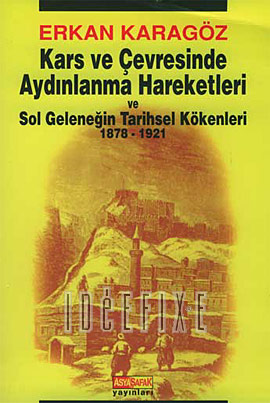
Book shown Illuminating Kars Area
History and Origins:
1878- 1921 (2005) (Kars ve
Çevresinde Aydınlanma Hareketleri ve Sol Geleneğin
Tarihsel
Kökenleri: 1878-1921)
The reason that the Molokans,
this anti-war peasant
community that based on its beliefs eschews violence and
refuses to do
military service, are not counted as a part of that famous
“mosaic” of
Anatolia must be their peaceful culture, which does not
conform to that
mosaic, which gets its color from the blood spilled in
ceaseless and
unending wars. When the covers placed over the places and
the geography
are lifted, perhaps a colorful cultural mosaic emerges,
but we
understand that there are unmentioned cultures, without
histories,
within this mosaic. They have no histories, because “time”
is not an
absolute value for them. Because their languages do not
contain
words like slavery, exploitation, property, and power.
Since a
community that generates this culture does not invade the
living space
of another culture, and does not wage wars of conquest, no
triumphal
monuments have been erected for it, and no epics of
victory have been
written for it. So the Molokans
and
similar peaceful peoples [like Doukhobors],
who
today should be commemorated and taken as
models, have for this reason passed from the scene and
been
forgotten. I thus congratulate Erkan Karagöz for his
works,
which are an opportunity for us to recall both the
“Southwestern
Caucasus National Government”, which was based on the
principle of
brotherhood among peoples that official history
disregards, and the Molokans
themselves, a people who
passionately loved the land of that republic. |
| İlk romanında Vasilisa'yla
ile
Şevket'in aşkını, ikincisinde Şevket'in ailesinin yaşama
kavgasını
dönemin önemli tarihsel olaylarının gelişimi
içerisinde; karlarıyla, çamlarıyla, ilginç Rus
mimarisi yapılarıyla Kars ve Sarıkamış yöresinin
büyülü ortamında; o yöredeki yaşanmışlıklar, acılar
ve dramlar eşliğinde canlandıran Karagöz, eğer insan,
mekan ve
doğa tasvirlerine biraz daha titizlik gösterir, olayları
biraz
daha derinlemesine işlerse sanıyorum çok daha gür bir ses
getirecek romanların yazarı olacaktır. |
If Karagöz, who in his
first novel portrayed the love of Vasilisa and Şevket, and
in the
second one the struggle of Şevket’s family to survive,
within the
context of the important historical events of the period,
and in the
magical environment of the snow, the pines, and the
fascinating Russian
architecture of the Kars and Sarıkamış region, and who
brought to life
the events in the region, along with all the suffering and
drama,
should show a bit more care in his images of people,
places, and
nature, and should go a bit more deeply into the events in
question, I
think he will become the writer of novels that will have a
much greater
resonance. |
| "Yüreğinin Seyirdiği Andır Aşk", Erkan Karagöz, Gendaş Kültür, 263 sayfa. | Love
is the Moment the Heart
Skips a Beat (Yüreğinin Seyirdiği Andır
Aşk), Erkan Karagöz, published by Gendaş Kültür [2004],
263
pages. |
|
|
|
| |
A big thanks to Forrest McMunn, Bloomington, Indiana,
for offering
to help translate. On 31 May 2006 Mr. McMunn wrote: I ran across your internet site on the Molokans today, and saw that there was an interesting section on Molokans in Turkey, and that you were looking for someone to help translate the writings of Turkish researcher Erkan Karagoz from Turkish. I don't know Russian or, for that matter anything at all about the Molokans, but do know Turkish, and would be happy to help translate some of Karagoz's writings for you if you'd like. I responded: "Fantastic! Thank you very much." with instructions to translate what interested him. He responded: I've picked item number 6, and have started to translate it. It's fairly short, and I should be able to send it to you sometime tomorrow or the next day, barring computer problems or other interruptions. (It's interesting that it's from "Ozgur Politika", a paper published in Germany by Kurds. I had never heard of the Molokans until, while trying to learn Kurdish a number of years ago, I was reading through a Kurdish autobiographical novel ("The Kurdish Shepherd", by Ereb Shemo) which starts in the Kars area, and the author mentioned various childhood experiences with Molokans. A young Kurdish student from Turkey was helping me get through the text, and I asked him who or what the Molokans were, and he had no idea. (He was from much farther south, far from where the Molokans live(d).) ... I know absolutely nothing of Molokan life or culture, I could go wrong from that aspect. The first item I've picked is a book review, though, and so I don't expect to run into serious problems. The next day (June 1) the above text was sent with this note: Some of the sentences are quite long, as in the original. I left the Turkish names, words, etc., "as is" with the various Turkish letters. If this should turn out to be a problem, they as well will need to be transcribed into the normal English alphabet. See how to pronounce the Turkish alphabet. |
Correspondence with Turkish Historian Erkan Karagöz
Spiritual Christians in Turkey
Spiritual Christians Around the World