Pryguny in Baja California,
Mexico
Pryguny en Baja
California, México
 By Andrei Conovaloff — Updated : 9
December 2021, 2 cemeteries added. May 2020, links
corrected.
By Andrei Conovaloff — Updated : 9
December 2021, 2 cemeteries added. May 2020, links
corrected.
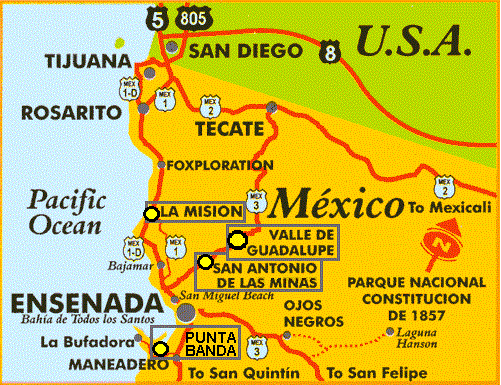
From 1905-1910, a mixture of Spiritual Christian faiths from South Russia, mostly Pryguny (jumpers, saltadores), purchased land and settled in 4 farming colonies near Ensenada, North Baja California, Mexico. Not all were ethnic Russians, and were of various non-Orthodox faiths from South Russia. Locals simply called them Los Rusos (people from Russia).
- Guadalupe —
formerly Ex-Misión Nuestra Señora de Guadalupe, the main
colony, ~20+ square miles purchased in 1907, is now
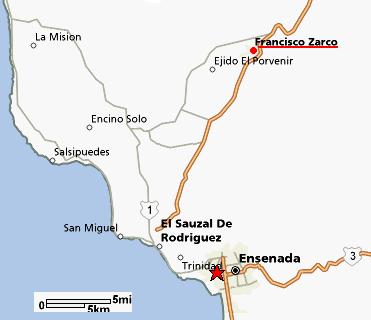
around the town of Francisco Zarco, Guadalupe Valley, 50
miles south of San Diego, California, and 15 miles
north-east of Ensenada.
- San Antonio de las Minas,
about half-way between Guadalupe and Ensenada.
- Mision del Orno, west of Guadalupe, along the coast.
- Punta Banda,
south of Ensenada, on the coast..
Their official identity to the Mexican government was "Russian settlers" (colonos rusos). Their official faith was Prygun, Dukhovnikh kristian pryguny (English: Spiritual Christian Jumpers, Spanish: Espirituales cristians saltadores).
Most of the land they purchased was paid for in wheat, when delivered to the Pacifico Flour Mill, Ensenada. Oral history reports they paid off their debt much sooner than projected by Attorney Donald Baker who brokered the land deal, bank loan and built the mill.
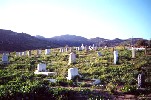
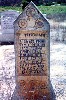
The settlers left 3 cemeteries, in (1) Francisco Zarco, Guadalupe Valley (community, 131 graves); (2) Ensenada (private, 36 graves); and (3) San Antonio de Las Minas (private, 9 graves). They had 2 meeting halls, in (1) Guadalupe (conserved), and (2) San Antonio (demolished). In 2020 the Guadalupe meeting hall property was transferred to neighboring Samarin family who own the restaurant and museum across the street.
Not all original settlers were ethnic Russian, and a few Baptist and Orthodox families from Russia also lived in Ensenada.
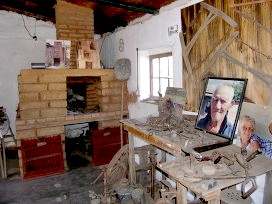
Today three museums and one "Russo" restaurant / gift shop compete for tourists. One museum is government owned, two are privately owned by Samarins and Bibayoffs. The prayer house in Guadalupe Valley is closed, last used for a funeral in 1992, but tours are provided by caretaker Gabe Kachirisky when he is available. Bus wine-tours mostly come from cruise ships in Ensenada, and occasionally from the San Diego area.
Many books, papers, articles, web sites, a film and 2 Ph.D. theses have documented these colonies. The most illustrative book was written and self published by former resident George Mohoff: The Russian Colony of Guadalupe: Pryguny
On this page is a collection of online information in English (comments and corrections in red), in Spanish and in Russian (with machine translations), a book/article list and web sites with photos and videos, with one photo gallery in Russian. All of the references to "Molokans" are in error. The immigrants came from diverse faiths of mostly non-Orthodox people from Russia, most of whom practiced the Prygun faith in Mexico.
The 2 congregations (Guadalupe, San Antonio) were undoubtedly given the Kniga solntse, dukh i zhizn' (Book of the Sun, Spirit and Life, 1928), but did not place it on their altar tables in their meeting halls as a replacement for the New Testament, or amendment to the Bible, as did most Prygun congregations in Southern California who converted to Dukh-i-zhiznik faiths. The book was kept on a shelf in the meeting hall if anyone wanted to use it. Therefore, the Mexico Pryguny remained constant (postoyannie) to their Prygun faith. They did not convert to a Dukh-i-zhiznik faith in Mexico. But, when descendants of these Prygun people from Russia moved from Mexico to Southern California, to maintain within the cultural sphere of the Spiritual Christian diaspora in the U.S.A., they had to attend a Dukh-i-zhiznik faith prayer hall because the Prygun faith in the U.S.A. was extinguished by the more aggressive Dukh-i-zhiznik faiths. Many reluctantly converted.
Within a decade of settling in Mexico, waves of attempts to leave in groups began.
- 1910 — Due to disgust with import duties (taxes) on
farm equipment, plans were begun with A.P.
Cherbak to buy about 70-square-miles near Santa
Barbara with more than $800,000 in a joint fund from to
form a grand colony of interested Spiritual Christians
in North America (Dukhobortsy, Pryguny, Molokane,
Subbotniki). Pivovaroff represented the Mexico
investors.
- 1916 — About 22 families of the Tiukma congregation moved to Chino Valley, Yavapai County, Arizona, led by Pivovaroff, sponsored by the Hasayampa Alfalfa Farms Company.
- 1919 — Several families were loaned money by Ed Fletcher to escape to his San Ysirdro Ranch, south San Diego County, California.
- 1926 — The Canadian Pacific Railroad arranged with
Pivovaroff for a block-settlement in central Alberta
province, Canada. Would be co-signers and colonists in
Los Angeles backed-down after scouting the territory
offered, which was near a successful Dukhobor commune.
- 1938 — About 10 families got bank loans to buy 200
acres near
Ramona, south San Diego County, California. 15
households owned land.
- 1940s-1950s — About 20 families settled in a
neighborhood near the Prohoroff Poultry Farm, San
Marcos, north San Diego County, California. They built a
meeting hall, and 2 adjacent streets were named Shubin
and Bolotin Lanes. Several remain.
 English
- Dukh-i-zhizniki in America : An update of Molokans in America (Berokoff, 1969): Chapter 2: The First Years
- Detailed maps: Ruta del Vino (Wine
Route), Google Earth, Wikimapia.
- The Baja Beat: The Russians of Guadalupe Valley, by Greg Niemann, The San Clement Journal
- Ens-Guad Trip May 4, 2002 — Lynn & Bev's Tour in Baja
- State Museum: Russian Community Museum of Guadalupe Valley
- Rancho Guadalupe Cemetery, Baja, Lower Calif., Mexico — Posted by George "Ghrishka" Bolderoff, with Comments.
- Mexico's Russian Colony / La Comunidad Rusa en Mexico — Posted in 1996 on "History of Mexican Peoples" by Dr. David Rojas,
- Trying to Recapture Russian Emigres' Life in Mexico, Living Among Ghosts Brings a Strange Peace — By Jessica Garrison, Los Angeles Times, December 1, 2002
- Contract to Maintain Mexico Church, with G. A. Kashirisky — June 1, 1992
- Pacifist Community Perserves, By Mary Forgione, Los Angeles Daily News
- Transplanted Sakhaliner: Cheurniy Kleb [Black Bread] in Baja, Mexico, The Sakhalin Times — Oct 9, 2004, Updated Aug 24, 2005
- Historic Monument Planned, by George
Mohoff
- USC's Russian Club: Russians in Mexico, Web site of the Department of Slavic Languages and Literature and Russian Club, University of California, Los Angeles.
- Chapter 2: The Russians of Guadalupe del
Norte, by
Marion Smothers. Vintage Baja: Adventures of a Gringa in
Lower California, 1993.
- Morris Photo Art — 4 photos of grave
markers in the Guadalupe Valley cemetery.
- Ivan Guryevich Samarin (1857-1948) — the
"Great Spiritual Christian
MolokanCommunicator", The Dukh-i-zhiznikMolokanReview, 1949. - Photo: 5 Babeshoff sisters, from "Russian Americans," by Paul Robert Magocsi.
- Mexico: A destination specialist course. (PDF), by The Travel Institute, 2004.
- Baja Legends: The Historic Characters, Events and Locations That Put Baja California on the Map, by Greg Niemann, 2002
- Bodega Bibayoff, jAzZblOg, March 27, 2006.
- The Russian Colony of Guadalupe Valley
Molokansin Mexico, book by George W. Mohoff, 226 pages, 1995. - Books and theses about Russian Spiritual Christians in Mexico at public libraries, listed at WorldCat
- 3 Videos in English, Spanish, Russian,
English — YouTube.com
- Bitter
Blow to Pryguny
Molokane: Wife Dies While He’s Far Away Seeking Fortune, Los Angeles Times, Nov 24, 1905, pg. II6.
- Russian
Colonists Going to Mexico: Prguny
Molokaneson the Move, Los Angeles Times, August 23, 1907, page II3 - Electricity Spells Triumph for Russ Colony in Mexico, Los Angeles Times, dated May 30, 1949, page 2, with 6 photos.
- Angel of Guadalupe, by Ed Ainsworth, Los Angeles Times, Jan 29, 1954, page A5.
- Tractor Crossing: Federal Court Convicts 'Angel of Guadalupe', Los Angeles Times, Oct 13, 1955, page A8.
- Russian
Cuisine in the Guadalupe Valley, Gastronomic Route,
Baja California State Tourism
- Prygun
MolokanDescendants in Mexico, Compatriots "United Russia", February 12, 2007
- BAJA WINE - BIBAYOFF: From Russia with Love, Spirit and Wine, Baja Times, Volume I, Number 96 January 1-15, 2009
- The Russian Colony — Moon Travel Guides [Mexico], January 9, 2009
- From Kars to Mexico:
Russian Pryguny
Molokansat the other end of the world, RIA News, July 3, 2009 - Bibayoff, Russian tradition settled in México (photos), Gina Naya, Food & Wine web site.
- Was this Russian art rug woven by Pryguny in Mexico? Question by Cheron Frazier
- Mexico's valley of wine, Sacramento Bee, January 6, 2010
- Cemetery
: 131 Names of Spiritual Christians buried in
Guadalupe, "Appendix E", The Russian Colony of Guadalupe Pryguny
Molokansin Mexico, by George W. Mohoff, 1995, pages 223-226. The cemetery in Ensenada has not been surveyed.
- Russian Vintners Win Gold at Baja California Wine Event, Vino-Tourism by Steve Dryden August 31, 2009
- Analect
2.734x:
Prygun
Molokan, an older man with scythe, Russian harvest. Valley of Guadalupe, BC
by painter Anthony Dubovsky, San Diego, California, June 16, 2010 - In
Vino Vendimia (In The Grape Harvest), Los
Angeles Times Magazine, August 2010. — "heritage"
was Spiritual Christian Prygun, who were granted
military exemption during settlement in 1905.
- "The
Real Ensenada: Ensenada to Tecate," in Weekend
Driver: San Diego, by Jack Brandais, Sunbelt
Publications, Inc., Oct 1, 2003, pages 139-141. — Map
and photo inside museum. Only varieties Spiritual
Christian Pryguny came here from Russia, no
"Molokans."
Руский — Russian
- Потомки прыгун
молоканв Мексике, Соотчесвенники "Русь Единая", 2007-02-12 - От Карса до Мексики:
русские прыгуны
молоканена другом конце светаx, РИА Новости, 03.07.2009
Español — Spanish. [Machine translated from Spanish to English online.]
- Los
orígenes de la migración rusa a Baja California
José Luis González López, Bertha Paredes Acevedo, Calafia: Revista de la
Universidad Autónoma de Baja California, Tijuana.
Nueva
época, vol. I, núms. 1-8, enero 2001-diciembre
2004.
Universidad Autonóma de Baja California, Instituto de Invetigaciónes Históricas, Tijuana
[Machine translated: The origins of the Russian migration to Baja California. By José Luis Gonzalez Lopez, Bertha Paredes Acevedo. Calafia: Magazine of the Independent University of Baja California, Tijuana. New time, vol. I, nos. 1-8, January 2001-December 2004. University of Baja California, Department of Investigative History, Tijuana.]
Molokanes yel Vino Ruso en Guadalupe. Nota publicada el 13 de agosto de 2005. Por Elizabeth Vargas
[Machine translated:Molokans andRussian Vine in Guadalupe. Published August 13, 2005, by Elizabeth Vargas]- Mexican
Vistas: La Comunidad Rusa en Mexico, By James
Clifford Safley, Editor, San Diego Union. 1952
[Translated by Dr Rojas from the original English article: Mexico's Russian Colony] - El
Museo
Comunitario del Valle de Guadalupe, Ejemplo de la
Diversidad Cultural de Baja California, Gabriela
Olivares. Consejo Nacional para la Cultura y las Artes,
Un proyecto del PACMyC.
[Machine translated: The Community Museum of Guadalupe Valley, An Example of the Cultural Diversity of Baja California, by Gabriela Olivares. National Counsel for Culture and Arts, a project of PACMyC.] - Se
extinguen los rusos de la Sierra de Juarez. México amargo, By
Manuel Mejido 1980. Pages 19-22
[The Russians of the Juarez mountain range are extinguished", in Bitter Mexico] - "Capítulo
XX: El Valle de Guadalupe". Historia de Baja
California: De Cueva Pintada a la Modernidad, 2
edición.
Antonio Ponce Aguilar. 2002.
["Chapter XX: Guadalupe Valley". History of Baja California: A Modern Painted Cave, 2 edition. By Antonio Ponce Aguilar, 2002.] - Hacia
un Plan de Manejo del Agua en Valle de Guadalupe, Baja
California. A. Baddan, et.al., p. 45-64. II
Seminario Internacional de Vitivinicultura, 3 y 4 Agosto
de 2005, Ensenada, B.C. Mexico. Ciencia. Revista de
la Academia Mexicana de Ciencias. 2005.
["Designing a plan for handling water in Guadalupe Valley, Baja California". By A. Baddan, et.al. (and others). Pages 45-64. 2005 II Seminar of the International Vitivinicultura, August 3-4, 2005, Ensenada, B.C. Mexico. Science. Magazine of the Mexican Academy of Sciences.]
- “El último refugio. Los rusos saltos
molokanosdel valle de Guadalupe, Baja California”. Gómez Estrada, José Alfredo. México, en: Boletín del Archivo General de la Nación, 6ª época, agosto-octubre de 2003, no. 1, p. 137-152.
["The last refuge. The Pryguny from RussiaRussian Molokansof Guadalupe Valley, Baja California". Gomez Estrada, Jose Alfredo. Mexico, in: Bulletin of the General archives of the Nation, 6th edition, August-October of 2003, no. 1, pages 137-152.] - YouTube Video: Mexican indigenous Russians rusos русскиe (6:37 min) English text, Spanish conversation.
- Los
Saltos
Molokanesel el Valle de Gaudalupe, Grupo Enologico Mexicano, Excelsior 2002
[Machine translated: PrygunyMolokansin Guadalupe Valley, Mexican Ethnic Groups, Excelsior 2002] - 23/08: Altos
impuestos
sacan del mercado al vino mexicano, COPARMEX
Aug. 23, 2008: Higher taxes put them out of the Mexican wine market - 30 Fotos de bibayoff, (30 photos of David Bibyoff ranch) Panoramio (6 photos are nearby locations)
- Los descendientes Priguni
Molokansen México, Compatriotas "Русь Único", El 12 de febrero de 2007 - Inmigración rusa en México, Spanish Wikipedia.org [Machine translated: Rusian immigration in Mexico]
- El Reportaje, La Ventana de Ensenada 2009 [Feature,
Window to Ensenada, 2009]
- Comunidad
rusa: Mi casa es tu casa: la familia Ensenadense.
Autor: Karla Ornelas.
[Machine translated: Russian community: My house is your house: the Ensenadan family. by Karla Ornelas] - La
Colonia Rusa. (1ra. parte). En busca de la tierra
prometida.
[Machine translated. The Russian colony. (Part 1) In Search of the Promised Land.] - La
Colonia
Rusa.
(2da.
parte).
En
busca
de
la
tierra
prometida.
[Machine translated. The Russian colony. (Part 2) In Search of the Promised Land.] - Galeria
de
4
Fotos
por
archivo
familia
Bibayoff
[Machine translated. Gallery of 4 photos from the Bibayoff family]
- "Rusia en México," Baja California, tierra incógnita, by Fernando Jordán, 2001, pages 51-56.
Photo and video websites
- Irina's Gallery (Russian), Baja California,
Mexico, Feb 24, 2007 —138 photos (offline)
Photos 24-31: Guadalupe restaurant, museum — Photos 48-50: Bibayoff and Dalgoff house - Ens-Guad Trip May 4, 2002 — Lynn & Bev's Tour in Baja
- Rancho Guadalupe
MolokanCemetery, Baja, Lower Calif., Mexico — Posted by George "Ghrishka" Bolderoff, with Comments. - Russians in Mexico, Website of the Department of Slavic Languages and Literature and Russian Club, University of California, Los Angeles
- Morris Photo Art — 4 photos of Mexican-Russian grave markers
- Photo of 5 Babeshoff sisters, in Gale Multicultural America Encyclopedia: Russian Americans
- 3 Videos in English, Spanish, Russian, English — YouTube.com
- Rancho Torros Pintos (Bibayoff), ~50 photos of Bibayoiff ranch and area, Panoramio.com
- Bibayoff, Russian tradition settled in México (photos), Gina Naya, Food & Wine web site
- Photo Bucket.com/Darwalk/Mexico Wineries/, 2 images of entrance and courtyard
- Pryguny
Molokansin Mexico: Valle de Guadalupe, Baja Mexico — 79 photos Babishoffs, Nov 10, 2009, Picasaweb. - Ghriska's Fotki Photo Albums, by George Bolderoff who started with his family tree and grew — 3 sections about Mexico.
- Ensenada-Guadalupe Tour: Lynn & Bev's Tour in Baja
- Bolderoff Mexican Immigration Documents
- Rancho Guadalupe Cemetery, Baja, Lower Calif., Mexico
- Photo: Mexican squatters' shacks in Russian community in Guadalupe, Mexico, Los Angeles Times, July 17, 1966.
6 Videos added 30 July 2016
- Vía Tijuana - Un Valle muy Ruso (By way of Tijuana — A very Russian valley), (video, 6:26 min.) YouTube, March 12, 2012. — Conozca la historia de la comunidad rusa que se asentó en el Valle de Guadalupe. (Learn the history of the Russian community that settled in the Guadalupe Valley.)
- Familia Rusa Samarin Valle de Guadalupe (Russian Family Samarin in Guadalupe Valley) (video, 4:30 min.), Todos Santos, October 1, 2012. — Tour of the Samarin house museum and restaruant kitchen cooking.
- Russians in Mexico (video, 5:18 min), Laura Castaneda, SDCC Borderstories, San Diego City College, Channel 4 San Diego Insider, October 23, 2013— Interview with Kachirsky — 1930 land loan paid. 1931 first interracial marriage. 17 pure-blooded residents remain. Museum planned in 1990s. Cancho Samarin curator of her family museum and restaurant. Maria de Los Angeles curator of govenment owned museum across the street. Dr. Teresa Muranaka describes cemetery.
- Proyecto Cimarrón "Museo Ruso en Valle de Guadalupe" (Cimarron project "Russian Museum in Valle de Guadalupe") (video, 5:08 min.), Imagen UABC.tv (University of Baja California TV), May 21, 2014 — En esta ocasión en un recorrido por el Valle de Guadalupe descubriremos la historia de la comunidad rusa y su aportación gastronómica en la vida de este lugar (This time on a tour of the Guadalupe valley discover the history of the Russian community and its gastronomic contribution to the life of this place) — Interview with Francisco Samarin at restaurant brick oven, tour the Samarin house museum. Documentary video produced by students.
- Notivisa Ensenada - Comunidad rusa en Valle de Guadalupe (The Russian community in the Guadalupe Valley) (video, 3:00 min), 23-XHS (Ensenada television), October 9, 2014 — Descendientes de rusos que llegaron al Valle de Guadalupe cuentan su historia. (Descendants of Russians who arrived in the Valley of Guadalupe tell their story.) — Interviewes with Miguel Samarin Dalgoff and Gabriel Kachirsky Kotoff.
- Museo Ruso en Valle de Guadalupe (The Russian Museum in Guadalupe Valley) (video, 2:28 min.), by Jorge Orta, February 14, 2016. — Vista al valle de Guadalupe en ensenada, Baja California (View of the Guadalupe Valley in Ensenada, Baja, California) — Short tour of Samarin house museum.
Links to some of many websites that mention Spiritual Christians in Mexico
- Grass Roots Guerrilla of South Twin Lake, by Carl J. Nelson. 1980. Pages 320-324
- Two tales of a city: People building roots, San Diego Union-Tribune, March 9, 1995.
- Baja's travel outfitters: a tour through the ranks, The San Diego Union-Tribune. April 13, 1995. Page 62.
- Fertile valley helps Mexican wines grow in quality, sales, Milwaukee Journal Sentinel, Mar 19, 2000. Page 20A.
- The 90 Day Yacht Club Guide to Ensenada (Internet newsletters)
- June 2004 — The history of Guadalupe Valley on the road to Tecate: the wine oroducing area of Mexico.
- July 2004 — The Russian settlers of the Guadalupe Valley (taken from LA Times, Dec 1, 2002)
- July 2005 —
The
migration of the Russians who settled in the Valle
de Guadalupe: 100 years ago the deal was closed
- A
taste of Mexico days of wine and chocolate, The Gazette
(Montreal, Canada.com), November 12, 2005.
- Ensenada, Baja California. Wikipedia.org
- Ensenada. Visitor Information: Day Three
- Ensenada Road To Tecate, Towards Guadalupe Valley: Monte Xanic
- Backgrounders: Wine, Mexican Tourism Board, Press Room. Copied at: The Wines of Baja Norte
- A
taste of Napa in Baja: The Guadalupe Valley is home to
wineries and a historic Russian community, The San Diego
Union-Tribune, May 16, 2004 Page: 31.
ERROR: Spiritual Christians DID NOT come to
America through Alaska.
- A
taste of Mexico days of wine and chocolate, by
Julian Armstrong, The
Gazette (Montreal, Canada), November 12, 2005.
Copied at: BajaNomad » Baja Travel Articles » A taste of Mexico days of wine and chocolate - Baja California Wine Country: Guadalupe Valley, by Steve Dryden
- Mexican wines and wineries: Getting to Know Mexican Wine and Russian History, “Vino-Tourism” by Steve Dryden
- Baja's
wine
surprise:
A short drive from Ensenada, vineyards and tasting
rooms are flourishing, San Francisco Chronicle, April 10, 2005.
- The Samarin's of Francisco Zarco: Within the Valley of Guadalupe - A garden paradise by Malecon, Francisco Zarco Pages, update: Jun 20, 2006. Photo: "Norma Samarin at her panderia".
- Environmental Assessment of Impacts from a Liquefied Natural Gas Facility in Baja California, Mexico. University of Wyoming, School of Environment and Natural Resources. ENR 4900/5900 Class Project, Spring 2007. Pages 91-93
- Case Study: Baja Bottled, by Toby Cecchini. The New York Times Magazine: Travel. March 25, 2007
- The
Talk:
Case
Study; Baja Bottled, New York Times, March 25, 2007.
- Wine,
Music and Food Festivals in Baja California, Mexico,
Vino-Tourism by
Steve Dryden, June 9, 2008.
- Wine Country News in Mexico, by Steve Dryden. Mexico Living, January 1, 2009.
- The Joy
of Living in Mexico’s Finest Wine Country, Vino-Tourism by
Steve Dryden, October 26, 2009.
- White Mexican, Wikipedia.org
… agents for a large tract of land in Lower California,
Mexico, learning of the immigrants' Molokan desire to establish a
farming community, contacted them early in 1905 1906 with a
proposition to sell them the tract which was called Rancho
Guadalupe and on terms within reach of people who were still
impoverished from their emigration from Russia. This tract of land consisting of 13,000 acres [20.3 square miles] was located 60 miles south of the United States-Mexico border, in a pretty valley [Spanish: Valle de Guadalupe] through which flowed a small stream but which turned into a torrent after a rain storm. The land was capable of producing a good crop of wheat in a rainy year but was also subjected to cycles of dry years …
… 50 families were attracted to the proposition to purchase the tract. Led by Vasili Gavrilitch Pivovaroff and Ivan G. Samarin the land was bought for the sum of $40,000 and a site was selected for a village in the style of their native Russia, except that, for lack of logs, the houses were built of adobe in the style of Mexico. [I.G. Samarin and C. P de Blumenthal signed the contract for the Russian colony. Price ~$3.08/acre.]
- The title to the whole tract of land was vested in the names of three trustees.
- No grant deeds or other evidence of ownership were issued to the individual owners. The names of individual owners were simply recorded in a community book, which was entrusted to a person elected for that purpose.
- A government surveyor never officially surveyed the land nor was the subdivision recorded in government archives. Apparently, to save the cost of a qualified surveyor, they chose the method that was used by their fathers and forefathers in Russia. Measuring off a length of rope and using natural and artificial markers, such as large imbedded rocks or trees, they did the job in their own crude manner and proceeded to allot the land to the individual owners.
 ... the whole
colony of 50 families were divided into 10 family units of
five families to a unit. The whole tract of land was then
divided into several sections, each section suitable for a
certain crop. Thus there was a section of river bottom land;
another section at higher level and suitable for raising
grain, a hill-side section for raising hay and a section of
untillable mountainous land which was left undivided for
community use as cattle pasture. Each section of tillable
land was then subdivided into ten parcels for which the ten
family units proceeded to draw lots for their share of each
category. The family units then drew lots for ownership of
their individual parcels according to the need of each
family.
... the whole
colony of 50 families were divided into 10 family units of
five families to a unit. The whole tract of land was then
divided into several sections, each section suitable for a
certain crop. Thus there was a section of river bottom land;
another section at higher level and suitable for raising
grain, a hill-side section for raising hay and a section of
untillable mountainous land which was left undivided for
community use as cattle pasture. Each section of tillable
land was then subdivided into ten parcels for which the ten
family units proceeded to draw lots for their share of each
category. The family units then drew lots for ownership of
their individual parcels according to the need of each
family. … in 1952 squatters from the city of Mexicali, discovering that no deeds were recorded to some of the colonist's land, forcibly settled upon the land and despite the intervention of Federal, troops, at times successfully claimed ownership thereto through squatters rights. … After these raids of squatters … all but a very few families emigrated to the United States, and the colony as such ceased to exist. [Now the town is named Fransico Zarco, and 3 museums and a restaurant serving Russian food have been created to provide employment and attract tourists.]
2. Detailed Maps
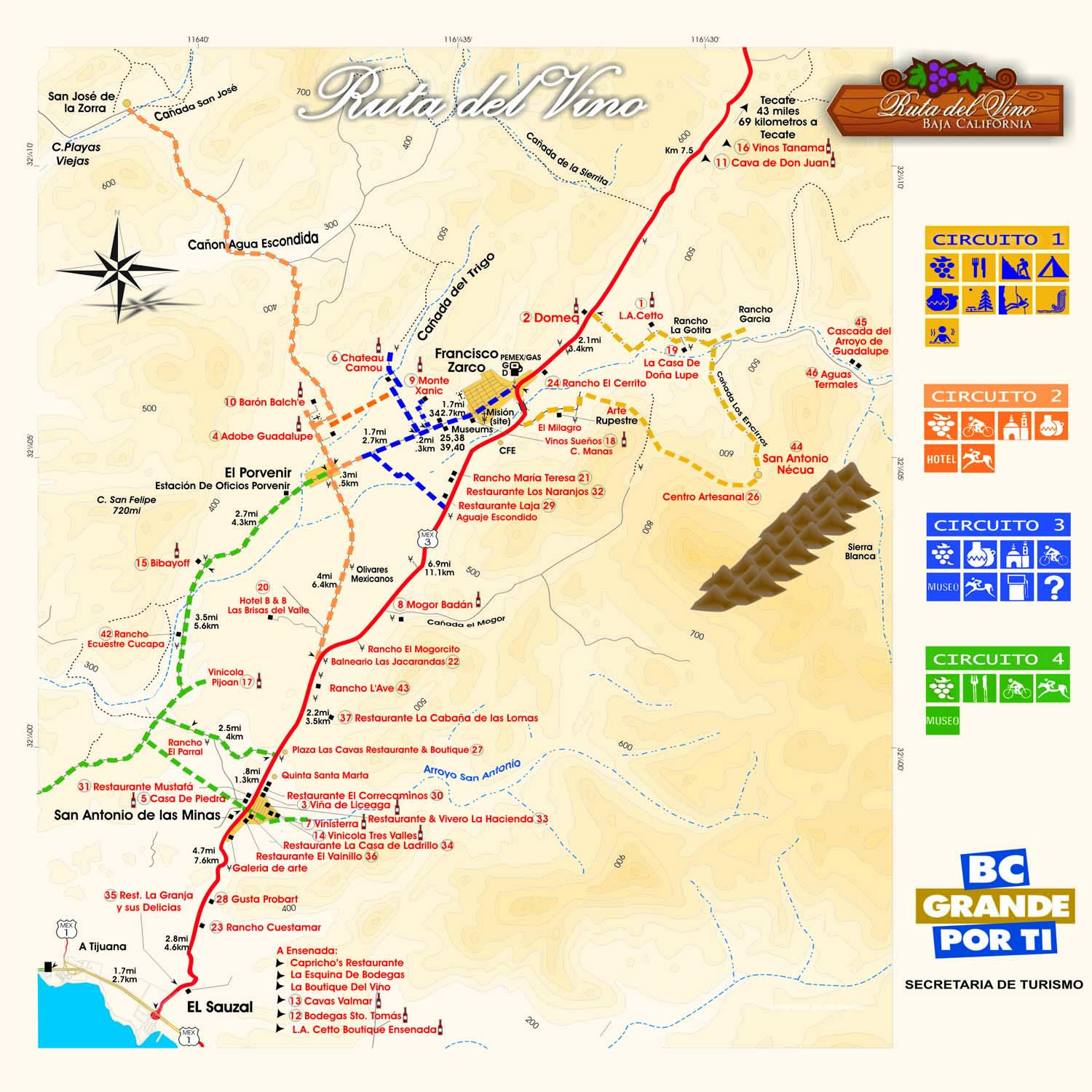
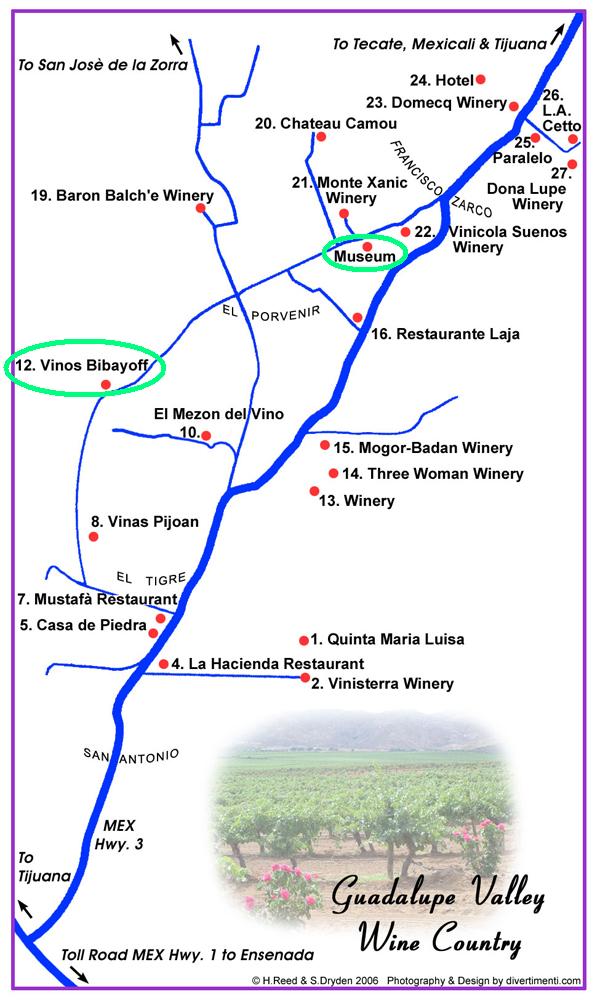
Ruta del Vino (Wine Route) with landmarks. Shows highway #3 route in red from Pacific Coast Highway (1), just north of Ensenada, to the north edge of the former Russian town of Francisco Zarco. Turn left through town, until the road bends, about 2 miles. Find 2 museums and Samarin Family Restaurant across the street from each other just past the prayer house. About 5 miles farther southwest find the Bibayoff winery (#15) with a 3rd museum. Or, go northeast to the hot springs (#46). Click maps to enlarge.
 |
 |
- See satellite aerial views of the valley from Google Maps, Wikimapia, ...
- See street maps from Yahoo Maps, Live Search, MultiMap
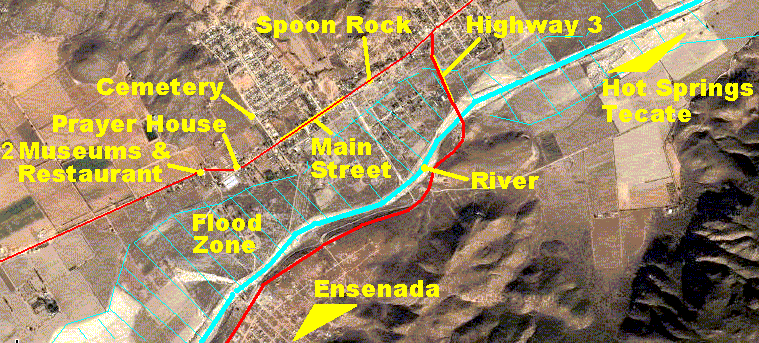
- Cross-hairs in
center of these satellite images point to the cemetery,
Russian
prayer house (assembly), Samarin
Family Restaurant, Samarin
Museum, Community
Museum, Alex
Samarin ranch (home of last presbyter), Gabe
Bibayoff farm, David
Bibayoff winery and museum, Spoon
Rock (loshka), Junction
of Highway 3 and Main Street, The
Blowhole (La Bufadora), ...
- You can also click on some of the sites on the aerial map below to go to high resolution satellite images.
3. The Baja Beat: The Russians of Guadalupe Valley, by Greg Niemann, The San Clement Journal
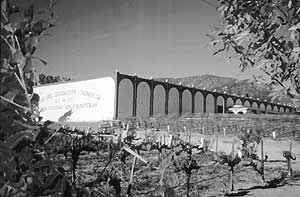
4. Ens-Guad Trip May 4, 2002 — Lynn & Bev's Tour in Baja
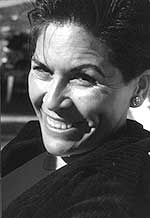
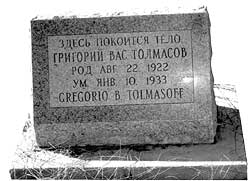
Photos 9 thru 51 were taken in Guadalupe showing the town, museums, church and cemetery. Posted by George "Ghrishka" Bolderoff


5. State Museum: Russian Community Museum of Guadalupe Valley
| Secretaría
de
Turismo
del
Estado
de
Baja
California:
Ruta del Vino: Miseos y Sitios Historicos : Museo Comunitario Ruso del Valle de Guadalupe Ubicado en un inmueble de la antigua colonia Rusa, cuenta con una pequeña exposición de memorabilia rusa y objetos indígenas. Recorridos guiados al sitio misional, aguas termales, pinturas rupestres y comunidades indígenas, previa cita. De la carretera #3 tomar el camino principal pasando frente al Centro de Salud IMSS hasta llegar al museo, ubicado a la izquierda del camino, casi frente al Museo Comunitario del Instituto Nacional de Antropología e Historia (INAH). Av. Principal # 276 Valle de Guadalupe, B.C. Tel. (646) 155-2030 alex_museoruso@hotmail.com museoruso_samarin@hotmail.com |
Secretary of Tourism, State of Baja California: Wine Route: Historical Museums and Sites Russian Community Museum of Guadalupe Valley There is a small Russian exhibition of memorabilia and indigenous objects located in a building of the old Russian colony. Routes guided the misional site, thermal waters, cave paintings and indigenous communities, previous appointment needed. From highway #3, take the main road passing in front of the Center of Health IMSS until arriving at the museum, located to the left of the road, almost in front of the Communitarian Museum of the National Institute of Anthropology and Historia (INAH). Main Ave. # 276 Guadalupe Valley, B.C. Tel. (646) 155-2030 alex_museoruso@hotmail.com museoruso_samarin@hotmail.com |
|||
|
||||
| En 1905 llegaron los
primeros colonos rusos pertenecientes al grupo Pryguny (Espirituales
cristians saltadores) En el inicio se establecieron 60 familias, que se dedicaron principalmente a la crianza de gansos, patos, a la agricultura y siembra de uva y trigo. Actualmente, se puede visitar a algunas familias como Martha y Gabriel Kachirisky que siguen con esta tradición, hacen el pan con la receta original rusa y comidas típicas rusas para grupos pequeños. Este museo, cuenta con una pequeña exposición de memorabilia rusa y objetos indígenas. ofrece platillos rusos, así como la venta de queso, pan y vino artesanal. También Podrás dar un recorrido guiado al sitio misional, aguas termales, pinturas rupestres y comunidades indígenas. Como llegar:: Por aire, al Aeropuerto Internacional General Abelardo L. Rodríguez, en la carretera Internacional s/n, en el municipio de Tijuana, arriban diariamente un promedio de 120 vuelos, procedentes de distintas ciudades de México y los Estados Unidos. |
In 1905 the
first settlers were Spiritual
Christian Pryguny At the start there were 60 families who were devoted primarily to raising geese, ducks, agriculture and planting grapes and wheat. Currently, you can visit some families such as Martha and Gabriel Kachirisky who continue with this tradition. They make bread made with the original Russian recipe and Russian food for small groups. This museum has a small exhibition of objects and memorabilia from the Russian natives. They serve Russian dishes, sele cheese, bread and fine wine. You can also take a guided tour to the mission site, hot springs, cave paintings and indigenous communities. Getting there: By air, at the International Airport General Abelardo L. Rodriguez, the International Road s / n, in the municipality of Tijuana, arriving an average of 120 daily flights from various cities in Mexico and the United States. — Radio MIL, NRM
Communications
|
|||


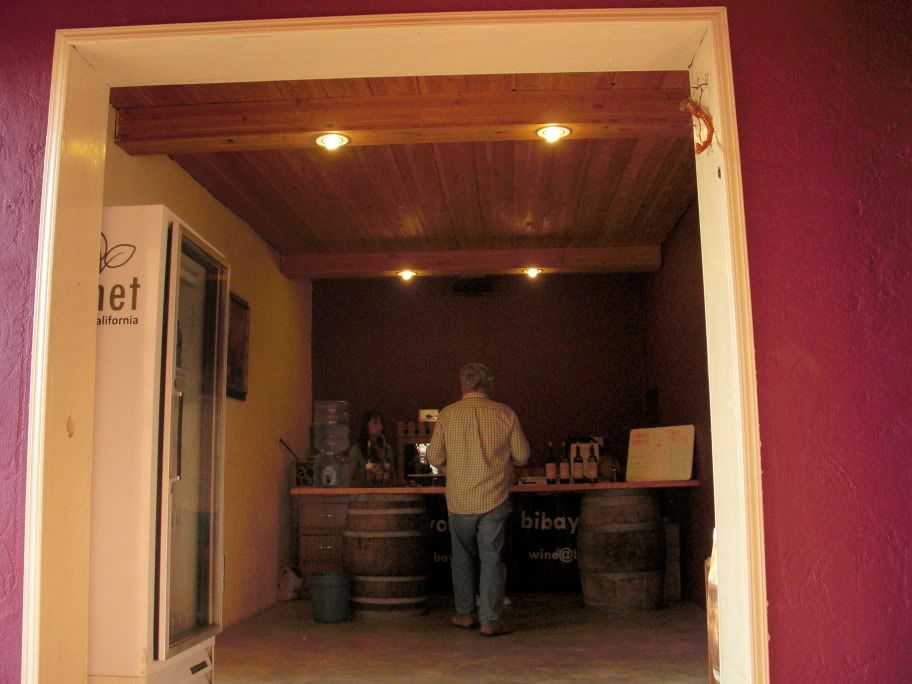

6. Rancho Guadalupe
21 photos posted by George "Ghrishka" Bolderoff (1942-2013). Find more info on his Comments page (Link to Archive.org.)
Also see: Cemetery Names of Russian Spiritual Christians in Mexico
 |
 |
 |
 |
| Also see
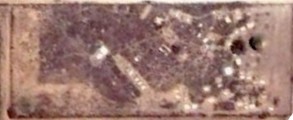
cemetery from satellite |
7. Mexico's Russian Colony / In Spanish: La Comunidad Rusa en Mexico
Posted in 1996 on "History of Mexican Peoples" by Dr. David Rojas, Instituto Cultural "Raices Mexicanas" and Assoc. Professor Ethnomusicology, University of California, Santa Barbara. Translated from Mexican Vistas, by James Clifford Safley. 1952. — In 1996 Dr. Rojas created a website — Folklorico.com — mainly about Mexican dance. He is also interested in culture and included this article. This excerpt was the first significant information about Russian Spiritual Christians on the Internet, appearing nearly a year before the Molokan Home Page in 1997. Soon this article was found by a Molokan in Russia, Vitaly (Samudorov?) who e-mailed asking about relatives not contacted since 1920. Vitaly's request fascinated Dr. Rojas who took a trip to find these Russians in Mexcio and tells how he happened upon the village museum — Museo Comunitario de El Valle De Guadalupe — at the end of his first issue of "El Mitote", November 1996. He briefly tells about meeting Andrés and Sonya Samudoroff and giving them a letter from Russia. Later Dr Rojas tried to help the new museum by donating a computer and looking for someone to help create an inventory of artifacts in the village. See Correspondence with Dr. Rojas in 1997.
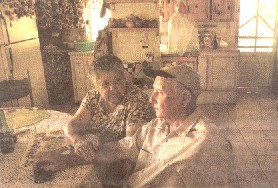 8. Trying to Recapture Russian
Emigres' Life in Mexico
8. Trying to Recapture Russian
Emigres' Life in MexicoLiving Among Ghosts Brings a Strange Peace
By Jessica Garrison — Los Angeles Times — December 1, 2002
The few descendants of a religious sect that fled czar's empire 100 years ago now put faith in trading on heritage to keep their ancestry alive.
9. Contract to Maintain Mexico Church, with G. A. Kashirisky
Colonia Rus de Guadalupe, Baja California, Mexico; Los Angeles, CA — June 1, 1992
10. Pacifist Community Perserves
By Mary Forgione, Los Angeles Daily News
The Arizona Republic, March 19, 1995, Travel Section, Page T6
 11.
Transplanted
Sakhaliner:
Cheurniy Kleb [Black Bread] in Baja, Mexico
11.
Transplanted
Sakhaliner:
Cheurniy Kleb [Black Bread] in Baja, MexicoThe Sakhalin Times — Oct 9, 2004, Updated Aug 24, 2005
Good history with news that recent Russian immigrants want to live there. Excerpts:
Losha was one of the first Russian students to study in Anchorage, Alaska. He left Sakhalin in the early 90s and has never come back. He prolonged his studies in Alaska and got a job in San Diego, where he lived till 2000. Like most Russians abroad, he felt homesick, but didn’t “want to go back to the hardships.” His life changed for the better when he came to know about the Pryguny
 12.
Historic
Monument Planned
12.
Historic
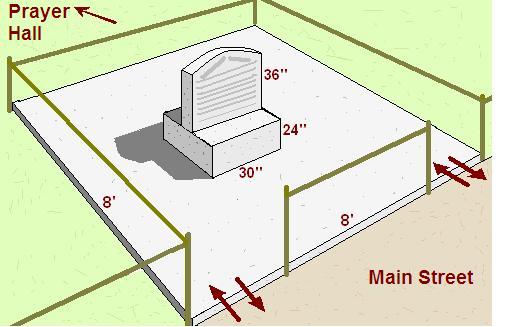
Monument PlannedThe proposed monument will be in front of the meeting-prayer hall-assembly (sobraniya) along the street fence, on a fenced courtyard slab about 8 feet on each side. There will be 2 entry ways from the street. The monument will be 5 ft. high — a 3-foot high tablet sitting on a 2-foot high base which is 30-inch square. George Mohoff died in 2009, and his wish to erect this monument has not yet been fulfilled.
 13.
USC's Russian Club: Russians
in Mexico
13.
USC's Russian Club: Russians
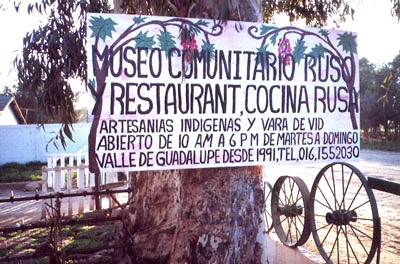
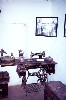
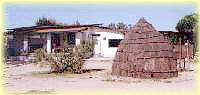
in MexicoWebsite of the Department of Slavic Languages and Literature and Russian Club, University of California, Los Angeles. — 6 photos. (There were 9 museum photos taken about 2001). The sign says: "Russian Community Museum and Restaurant, Russian Kitchen / Local artwork and samples from 10 vineyards / Open from 10 a.m. to 6 p.m., Monday to Sunday / Guadalupe Valley since 1991, Telephone: 016-155-2030" [click on sign photo to enlarge] [All Russian Club photos.]
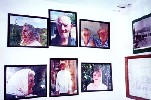
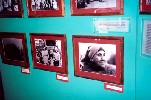
 14. Chapter
2: The Russians of Guadalupe del Norte
14. Chapter
2: The Russians of Guadalupe del NorteIn Vintage Baja: Adventures of a Gringa in Lower California, by Marion Smothers — The travels of late archaeologist and Peabody Institute Fellow Marion Smothers were published in 1993 by Bueno Books. Currently out-of-print, excerpts from this book have been made available to Ensenada Baja News-Gazette. "Editors Notes" at bottom show this photo and tells about the museum, where to : "Sample authentic Russian dishes prepared by the friendly Samarin family in the tiny restaurant". — Abbreviated text below with comments in red:
The Pryguny Malakans
(also spelled "Molokans"), a Russian farming
religious sect, purchased the valley, now known as
Guadalupe, from the Mexican government in 1905. How they
made their way from Czarist Russia to Canada*, through the
United States to an obscure spot in the mesa land of Lower
California, appears to be lost in the mists of history.
The price is said to have been more than $50,000 [$40,000].
A village site was laid out: building lots, a wide street,
the church of their native Russia, a windmill, irrigation
ditches and communal fields. [* Only a few Spiritual Christian scouts stopped
in Canada to visit Doukhobors but were told that Los
Angeles has more jobs and better climate. Many immigrant
in Mexico never got to the US due to visa problems. For
details online, see Dukh-i-zhizniki in
America, Chapter 2 — The First Years.]
As we explored the neat village, we marveled at being transported back into an exotic peasant community. Red-bearded men greeted us with grave courtesy; their womenfolk, starched aprons over long skirts, shyly smiled from the doorways of peak-roofed houses. Window boxes overflowed with bright flowers. A sauna-type bath house shared space with each kitchen garden. Sleek dairy herds(Malakan
translated as Milk Drinker) were sheltered in
sturdy barns when not browsing the lush pastures. We kept
our distance from flocks of aggressive geese and colonies
of bee hives.
However, one encroachment of the modern world charmed us. Half-naked Indian lads were playing soccer with their Russian friends. Even more surprising, the Indians were shouting in Russian during the heat of the game. ... Indian genes have mixed with Russian and Mexican to evolve into the mestizo. ... The PrygunyMalakans
have left their graves among what is now an ejido
[Indian]
cemetery — and the legacy of a few red-headed Mexicans. [This is the first
documentation taboo racial mixing of white Pryguny in
the New World.]
As we explored the neat village, we marveled at being transported back into an exotic peasant community. Red-bearded men greeted us with grave courtesy; their womenfolk, starched aprons over long skirts, shyly smiled from the doorways of peak-roofed houses. Window boxes overflowed with bright flowers. A sauna-type bath house shared space with each kitchen garden. Sleek dairy herds
However, one encroachment of the modern world charmed us. Half-naked Indian lads were playing soccer with their Russian friends. Even more surprising, the Indians were shouting in Russian during the heat of the game. ... Indian genes have mixed with Russian and Mexican to evolve into the mestizo. ... The Pryguny
15. Morris Photo Art — 4 photos of grave markers


16. Ivan Guryevich Samarin (1857-1948) — the "Great Spiritual Christian
Reproduced from the pages of the Molokan Review, 1949, by Jon Kalmakoff on the Doukhobor Genealogy Website.
... Samarin
and Pivovaroff selected found
and bought for the Brotherhood a plot of land
in Guadalupe, Lower California, Mexico, where Pivovaroff
made his home. ... the entire task of helping the
migrants was left in Samarin's hands. ... In March 1906,
Samarin, with translator/agent P.
A. Demens, on behalf of his fellow Pryguny Molokans,
traveled to Mexico City and personally received the
guaranties of religious freedom and suspension of customs
duties for the Prygun
Molokan colony at Guadalupe. Then he
carried protracted negotiations regarding land grants in
Lower California, at Rosario with Taras P. Tolmasoff and
other Prygun Molokan
representatives, and at Santa Rosa with P.M. Shubin, Ivan
K. Mechikoff and many others. ...
17. 5 Babeshoff sisters
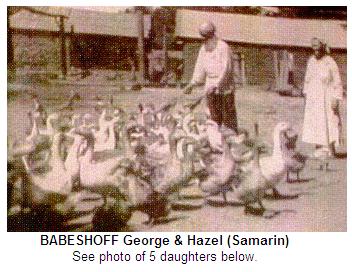
I first saw this 1947 photo (below) in the section "Russians", in the Gale Encyclopedia of Multicultural America, 1995. This encyclopedia has essays on 152 culture groups in the U.S., but this section about Spiritual Christians still has mistakes. Most of the section with this photo appears on the web site as Countries and Their Cultures: Multicultural America: Russian Americans, by Paul R. Magocsi, professor University of Toronto, Canada.
The the original text and the caption online (below: "Taken in 1947 ... ") omits that the location is in rural Mexico, 35 miles south of the US border. The photo shows 5 of 7 daughters of George & Hazel (Samarin) Babeshoff (above), born and raised in the Guadalupe Valley. All 7 girls married Spiritual Christians, moved to California and by 2010 died. Left to right: Vera (1-married Joe Jacob Kosareff, Bakersfield ), Dunia (2-married Nick William Bogdanoff, Bakersfield), Irene (3-married John Portnoff, Bakersfield), Hazel (4-married William Alex Dobrenen, Shafter), Lucy (5-married David Valoff, Los Angeles). Irene(3) and Lucy(5) were twins. Not shown are sisters Mary (6-married Roy Joe Kulikov, Fresno) and Anna (7-married James Morris Melosardoff, Fresno) — Thanks to niece Hanya Kulikov for names.
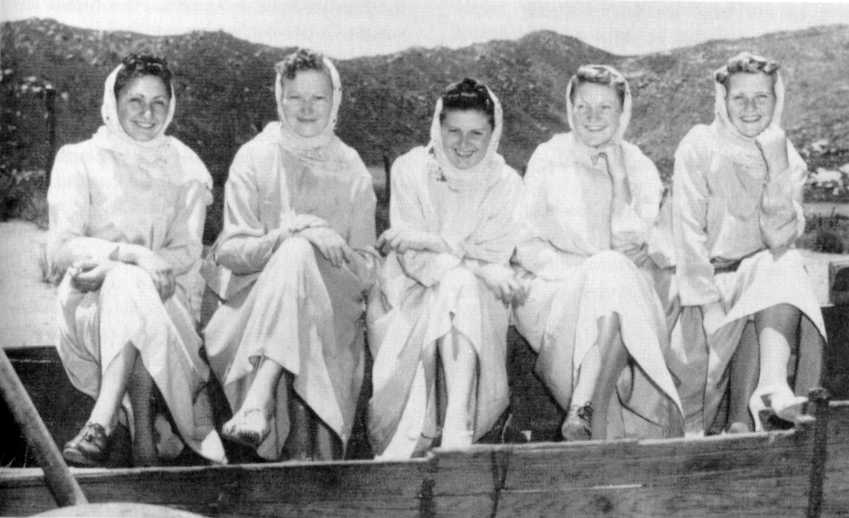
Taken in 1947, this photograph demonstrates the influence of American fashion on traditional Russian dress.
The lace shawls of these women are called kascinkas [kasinki]; their high-heeled shoes are American.
[On November 21, 2008, Elena posted this photo on her The Happy Wonderer blog, with comments about leg crossing, modern shoes and showing leg. Elena grew up in Los Angeles among the more zealous Dukh-i-zhizniki who often attacked people for not obeying their rules for behavior and dress. This photo shows that Pryguny are different than Dukh-i-zhizniki. A similar photo of 8 dressed up girls posing is in Mohoff's book, page 138.]
Here is the Countries and Their Cultures text with corrections in red:
Nearly 3,000 5,000 members of
a various
Spiritual Christian
religious sects from Russia known as
the Molokans settled in California during the
first decade of the twentieth century. They formed a fragmented network of about the
nucleus of what has become a 20,000-member
descendants of Russian
Spiritual Christians, with a
Molokan community that is concentrated today in San
Francisco and many Dukh-i-zhizniki
in Southern
California and Oregon. ... The Old Ritualists Believers
and some Spiritual Christians
Molokans have been most fervent in
retaining a sense of Russian identity through an active
use of the Russian language in their religious services
and in their daily lives.
By The Travel Institute, 2004. Produced in partnership with the Mexico Tourism Board. Winner of the 2005 PATA Gold Award.
Chapter 1: Baja California — Beyond Ensenada: Attractions, page 14
The Museo Comunitario del Valle
de Guadalupe, in a Russian-style house, tells the
story of the wine-making valley and of the
non-Orthodox Russian peasants who were granted permission
to resellte and to worship in the Valle de Guadalupe by
the Mexican Government in 1905. The immigrants repaired
wine-making equipments left from previous ventures and
prospered in the valley.
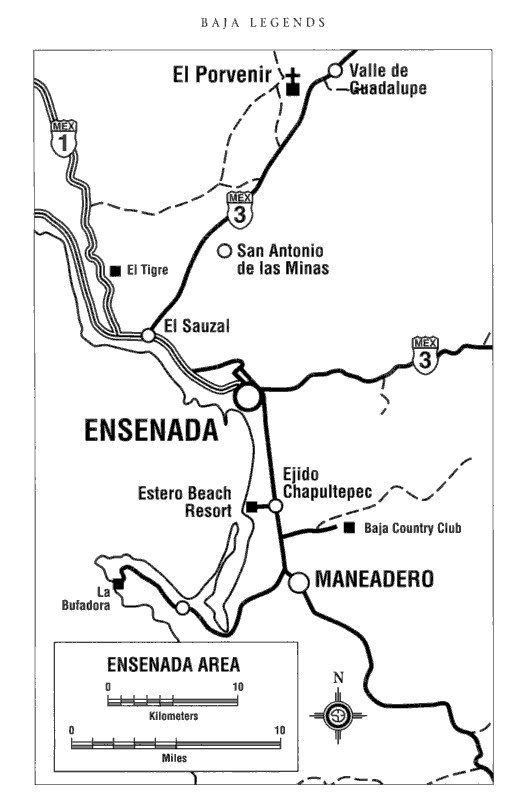
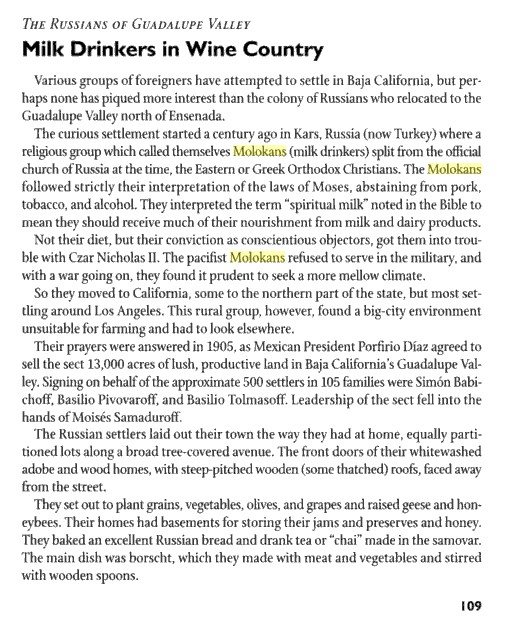
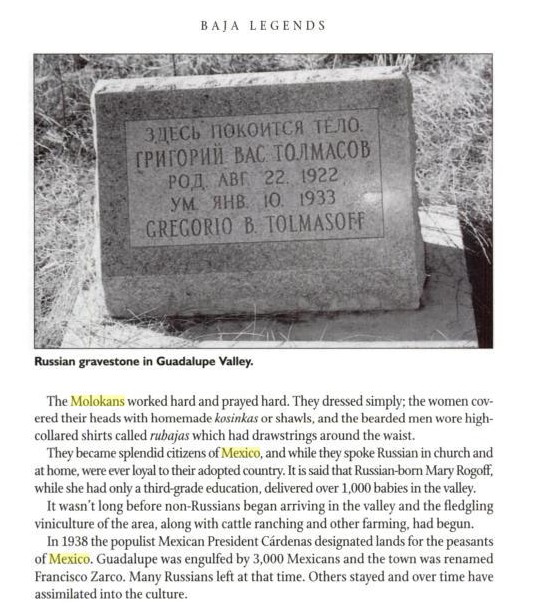
19. Baja Legends: The Historic Characters, Events and Locations That Put Baja California on the Map
 by Greg Niemann -
2002 - 260 pages. See pages 108-110.
by Greg Niemann -
2002 - 260 pages. See pages 108-110."The Pryguny
20. Bodega Bibayoff, jAzZblOg, March 27, 2006 (offline)


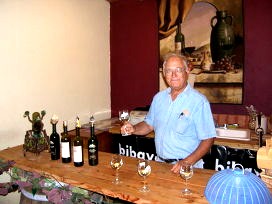
... one winery owned by Russian descendants, the Bodega de Bibayoff. ... This was David Bibayoff, patriarch of this family operation. [Shown in the photo above with son Abel.] He graciously welcomed me and invited me to join him back in the warehouse where a group of distant relatives were waiting for him to do a barrel tasting. ... Bibayoff is descended from a group of Russian refugees, the Pryguny

 .... Now, there are a few families
left and Bibayoff holds forth with his son, Abel, running
their vineyard. What makes Bibayoff special ... selling
grapes to other wineries. The wine that is produced
here is strictly for family, guests, festivals and
occasional restaurants.... a dozen folks from suburban LA
waiting for us. ... nieces and cousins of Bibayoff who had
never met him before. They'd discovered him and the vineyard
through some Internet work and, after an email contact,
decided to come have a look. They'd been tasting with Abel
for some time when we arrived and were especially warm and
friendly in their afternoon buzz. ... his daughter was
pleading with him to bottle it all exclusively for
her. ... 'this wine is not for sale.' ...
.... Now, there are a few families
left and Bibayoff holds forth with his son, Abel, running
their vineyard. What makes Bibayoff special ... selling
grapes to other wineries. The wine that is produced
here is strictly for family, guests, festivals and
occasional restaurants.... a dozen folks from suburban LA
waiting for us. ... nieces and cousins of Bibayoff who had
never met him before. They'd discovered him and the vineyard
through some Internet work and, after an email contact,
decided to come have a look. They'd been tasting with Abel
for some time when we arrived and were especially warm and
friendly in their afternoon buzz. ... his daughter was
pleading with him to bottle it all exclusively for
her. ... 'this wine is not for sale.' ...  Bibayoff Vineyard and
Winery, Baja Wine Country
Guide, gives an update of the story above.
Bibayoff Vineyard and
Winery, Baja Wine Country
Guide, gives an update of the story above. - Location: Valle de Guadalupe
- Tel: (646) 176-1008
- Email: bibayoff@prodigy.net.mx
- Directions: Off highway # 3 at "El Tigre", follow the dirt road to Rancho Bibayoff.
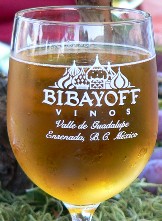 [Note the mis-use of
Russian Orthodox Church imagery in the Bibayoff Vinos
logos. Pryguny were not Russian Orthodox. Though
a samovar would be a better cultural fit for a logo,
business rules. The average consumer — a Mexcian Catholic,
or American Protestant tourist — is more likely to
associate "onion domes" than a samovar with Russia(n).
Unfortunately these logos project a false impression that
Pryguny are Orthodox in faith.]
[Note the mis-use of
Russian Orthodox Church imagery in the Bibayoff Vinos
logos. Pryguny were not Russian Orthodox. Though
a samovar would be a better cultural fit for a logo,
business rules. The average consumer — a Mexcian Catholic,
or American Protestant tourist — is more likely to
associate "onion domes" than a samovar with Russia(n).
Unfortunately these logos project a false impression that
Pryguny are Orthodox in faith.]More
- Videos
— YouTube.com
(below)
- Listed on WineriesinBaja.com
- Rancho Torros Pintos (Bibayoff), ~50 photos of Bibayoiff ranch and area, Panoramio.com
- Bibayoff, Russian tradition settled in México, (photos), Gina Naya, Food & Wine web site
- Photo Bucket.com/Darwalk/Mexico Wineries/, 2 images of entrance and courtyard
- Wine,
Music and Food Festivals in Baja California, Mexico,
Vino-Tourism by
Steve Dryden, June 9, 2008.
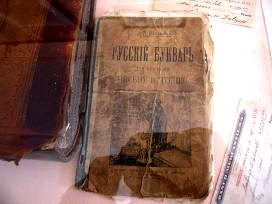
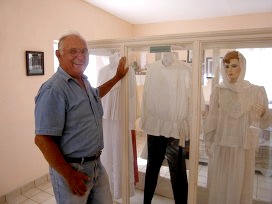
- Interviews with Bibayoff family and photos (below) of
museum in От Карса до
Мексики: русские молокане на другом конце светаx,
РИА Новости,
03.07.2009 [From Kars
to Mexico: Pryguny from
Russia
Russian Molokansat the other end of the world, RIA News, July 3, 2009] - Russian
Vintners Win Gold at Baja California Wine Event, Vino-Tourism by
Steve Dryden August 31, 2009.
 |
 |
 |
 |
21. The Russian Colony of Guadalupe Pryguny
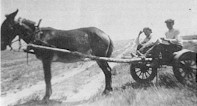 A book about Pryguny, not
Molokane, by George W. Mohoff (1924-2009),
226 pages, 1995.
199 photos / illustrations, plus a cross-indexed map of each home in the
colony by head of household name. The book covers most parts
of their history, from his grandfather V.G. Moloff fleeing
the Tsar's army while doing guard duty in St. Petersburg, to
land ownership, swimming in the river, cowboys and indians,
farm animals, religious services, why they left, and more. $25
from the UMCA Heritage Room, Hacienda Heights CA; or from
Hazel Mohoff, 2221 Via Camille, Montebello CA 90640; phone:
323-721-8610 — Also check out this book at your local
library via inter-library loan from at least 6 libraries in
California; or read
online (with many errors and omissions).
A book about Pryguny, not
Molokane, by George W. Mohoff (1924-2009),
226 pages, 1995.
199 photos / illustrations, plus a cross-indexed map of each home in the
colony by head of household name. The book covers most parts
of their history, from his grandfather V.G. Moloff fleeing
the Tsar's army while doing guard duty in St. Petersburg, to
land ownership, swimming in the river, cowboys and indians,
farm animals, religious services, why they left, and more. $25
from the UMCA Heritage Room, Hacienda Heights CA; or from
Hazel Mohoff, 2221 Via Camille, Montebello CA 90640; phone:
323-721-8610 — Also check out this book at your local
library via inter-library loan from at least 6 libraries in
California; or read
online (with many errors and omissions). 22. Books and Articles about Pryguny in Mexico (chronological) at public libraries, some listed at WorldCat
- Oscar Schmeider, Lower California Studies II, The
Russian Colony of the Guadalupe Valley, University
of California Publications in Geography, Vol. II: No. 14
(Berkeley: University of California Press, 1928).
- Sydney Rochelle Story, Spiritual Christians in Mexico : profile of a Russian village Ph.D. dissertation (University of Southern California, 1960).
- Ulysses
S. Grant IV, A
Sojourn in Baja California, 1915, by
Historical Society of Southern California, 1963. Reprint
from Southern California Quarterly, Vol. XLV, No. 2,
June 1963,
pages 128-168.
- John Stanford Dewey, The Colonia Ruse of Guadalupe
Valley, Baja California; A Study of Settlement,
Competition, and Change (Masters Thesis,
California State University, Los Angeles, September 1966).
- Richard Cota and Richard W Day, The Russian colony of Guadalupe Valley : a research paper , (University of California San Diego, 44 pages , 1968)
- Lauren С Post and Carl Lutz, The
MolokanRussian Colony of Guadalupe, Baja California, Mexico, Brand Book Number 4, San Diego Corral of the Westerners (San Diego, 1976), pp. 140-155. - Thérèse Adams Muranaka,
Spirit Jumpers, The Pryguny
from Russia Russian Pryguny
Molokans* of Baja California, San Diego Museum of Man Ethnic Technology Notes No. 21, 1988, 16 pages.
- Therese Adams Muranaka, The Russian Prygun
Molokan* Colony at Guadalupe, Baja California : continuity and change in a sectarian community, (PhD dissertation University of Arizona, 1992) 140 pages.
- George W Mohoff, The Russian Colony of
Guadalupe : Pryguny
Molokans* in Mexico, with map, 1993 - Fernando Jordán, "Rusia en Mexico," Baja California, tierra incógnita, 2001, pages 51-56.
* Due mainly to biases and mistakes by Young (1932) and Berokoff
(1969), most all latter scholars never understand that
these people are not Molokane, but mostly Prgyuny
mixed with other Spiritual Christian faiths.
23. Videos — YouTube.com
- Samarin Restaurant and Museum
- Retaurante Familia Samarin Valle de Guadalupe (Samarin Family Restaurant, Guadalupe Valley) (1:56 min) Focusing on art. Spanish singing background, August 11, 2008
- Restaurante Familia Samarin (1:48 min.) November 26, 2008
- Mexican
indigenous Russians rusos русскиe (6:37 min)
(English and Spanish). October 31, 2008. Also on Movies.Phim-Film.com
- Bibayoff Ranch
- David Bibayoff´s Story (3:36 min.) May 21, 2008 (Spanish, English subtitles)
- David Bibayoff on Making Artisanal Wine (6:11 min.) May 21, 2008 (Spanish)
- Ruta del vino: Ruto a los Bibayoff (Wine Route: Way to Bibayoff's) (5:20 min.) December 24, 2008 (Spanish text)
- Guadalupe Valley
- Valle de Guadalupe Baja California (Guadalupe Valley, Baja California) (7:12 min.) Tourist photo slide show, music background. September 26, 2008