Georgia Spiritual
Christians Invited to Russia
|
 Remaining members of
as many as 15 congregations of Spiritual Christian
Molokane
and Pryguny in the Democratic
Republic
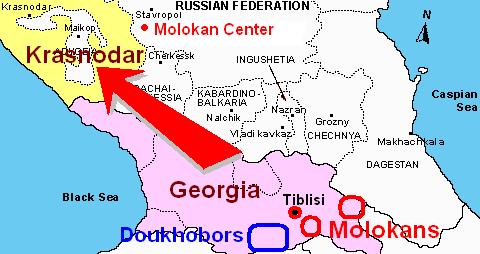
of Georgia have been invited to relocate 300
miles northwest, over the Caucasus mountains, to Krasnodar krai,
Russian Federation.
They could join the 40 Molokan
and Prygun
congregations now in Krasnodar krai, or
establish new congregations, depending on where
they are relocated.
News about Molokane leaving Georgia in
2009 has been published and announced on dozens of
Russian- language news sources in Russia, Georgia,
Azerbaidjan, and the US — TV, radio, newspaper,
magazine, and Internet. Here are a few on-line
news versions and comments about this news:
- 2008 Mar 13-21 — Discussion about
Molokans and Doukhobors after Russian radio
broadcast
- 2009 Feb 17 — Public Defender of
Georgia denies allegations of harassment of
Molokans
- 2009 Feb 25 — Molokans
leaving Russia
- 2009 Feb 25 — Russian
sectarians are leaving Georgia
- 2009 Feb 25, 26 — Discussion,
Comments
- 2009 Feb 26 — Sectarian
Molokans are moving from Georgia to Krasnodar
krai
- 2009 Mar 1-4 — Discussion:
It this True?
- 2009 г. май 15 — Немногочисленные
колонии
русских на Кавказе переживают трудные времена,
Первый канал
2009 May 15 — The
few colonies of Russians in the Caucasus are
experiencing difficult times, Channel 1 TV
News
- 2009 г. апрель 1 — Уважаемые люди… —
«Аргументы и факты»
2009 April 1 — Dear People… —
Arguments and Facts
- In 2013, most congregations stopped meeting,
leaving 8 regularly meeting in home, and one new
large building, an open congregation founded by
Dukh-i-zhizniki from Armenia, who welcome
all denominations to their service.
- To be updated.....
|
|

13 марта 2008 г.
|

Radio broadcast transcript, audio — March 13, 2008
|
А. Дугин: "Абхазии предлагают поменять Россию на
Америку" — Эксклюзивный комментарий Александра
Дугина специально для KM.RU
|
Alexander Dugin: «Abkhazia propose to change Russia
to America» — Exclusive commentary by Alexander
Dugin for KM.RU
|
В четверг пройдет заседание
Госдумы, на котором будет рассматриваться вопрос о признании
трех непризнанных республик на пространстве СНГ — Абхазии,
Южной Осетии и Приднестровья. Естественно, все сегодня
задаются вопросом, каким будет решение.
...
|
There will be a meeting of
the State Duma on Thursday to consider the recognition of
three unrecognized republics in the CIS [Commonwealth
of
Independent States] — Abkhazia,
South
Ossetia and Transdniestria.
Naturally, we all wonder what will be the solution.
...
|
| Ваше мнение |
Your Opinion |
18.03.2008 — КУЗЬМА : ТОМ
Грузин— беженцев в РФ далеко не два миллиона. Много- много
меньше. Из Грузии из-за Абхазско- Грузинских событий
вынуждены были уехать малакане и духоборы, а это всё
русские, сосланные в Грузию ещё Екатериной II плюс осевшие
там во время ВОВ эвакуированные из оккупированных районов
СССР. Эвакуировались перед наступающими частями вермахта.
|
March 18, 2008 — Kuz'ma to
Tom
... Georgian refugees in Russia are far less than two
million. A lot less. Due to the Abkhazian-Georgian
developments, Molokane
and Doukhobors have been forced to leave Georgia, as have all Russians
exiled to Georgia by Catherine II [The Great].
Also evacuees from occupied areas of the USSR were
settled there [to Georgia] during the Second World War. They
were evacuated just before being attacked by the German army.
|
19.03.2008 — ! Neue Mensch -> Kuzma
Из Грузии в Россию переехали русские, которые вынужденны
были покинуть дома бросая все имущество, после того как
их, даже в Тбилиси, стали вырезать целыми семьями якобы
"русофилы" грузины. |
Mar 19, 2008 — ! Neue
Mensch to Kuzma
Russians were forced to move from Georgia to Russia,
abandoning their houses and throwing away all their
property. After that, even in Tbilisi, whole families were
cut out by [so- called] "Russophile [Russian-loving]"
Georgians. |
Этим людям необходимо оказать
всяческую помощь и поддержку! Их наличие лучшее подтверждение того,
что Грузия НЕ является дружественной для России страной,
а грузины НЕ являются дружественным для русским народом!
|
These people need to provide
all possible assistance and support! Their availability is
the best confirmation that Georgia is NOT a friendly country
to Russia, and Georgians are not friendly to the Russian
people!
|
Также, под видом беженцев, в Россию
перебрались
грузинские воры в законе и прочий
грузинский криминалитет, а также прочий сброд которому
ненашлось место в новой "демократической" Грузии.
|
Also, under the guise of
refugees who moved to Russia are
Georgian thieves, other Georgian criminals, and other such
vermin which was sent to the
new "democratic" Georgia.
|
Что делать с этой шушерой?
|
What can you do with this
riff-raff? |
21.03.2008 — КУЗЬМА -> !
NEUE MENSCH
... Тю-тю!! Эти русские(малакане и духоборы)
по-русски говорят с грузинским акцентом! В Грузии они были
уважаемыми людьми и уезжали из Грузии с белыми Военными
билетами,т.к. не хотели воевать ни против русских,ни против
грузин. Они все деловые люди и любого обучат, как честно
зарабатывать неплохие деньги. Они отлично себя чувствуют на
всех Московских и подмосковных рынках, т.к. в большинстве
своём владеют четырьмя языками: грузинским, армянским,
азербайджанским и, естественно, русским. Все четыре языка
для них родные и вопрос межнационального общения для них не
существует. И в Грузии, и в Армении, и в Азербайджане они
торговали лучшими молочными продуктами, яйцами, сырами и
Воронцовской картошкой, известной ещё как малаканская. Эти люди
совершенно не употребляют спиртное и не курят. Они были и
есть уважаемые люди. Скажу больше их дома никем не заняты и
ждут их возвращения под наблюдением соседей. |
March 21, 2008 — Kuzma to !
NEUE MENSCH
... Tsk-tsk! These Russian Molokane* and Dukhobors speak Russian
with a Georgian accent! In Georgia, they were respectable
people and left Georgia discharged from the military because
they did not want to fight either against the Russians or
against the Georgians. They are all business people and they
can teach anyone how to honestly earn good money. They feel
comfortable in the street markets [bazaars], in and around
Moscow, because most of them speak four languages: Georgian,
Armenian, Azeri, and, of course, Russian. All four languages
are native to them, and the question of international
communication for them does not exist. In Georgia, Armenia
and Azerbaijan, they sell the best dairy products, eggs,
cheeses and Vorontsovka** potatoes, known as molokanskaia*. These people do
not drink alcohol and do not smoke. They were and are
respected people. I would say more, their houses are vacant
and waiting for their return, under the supervision of their
neighbors.
* Molokan is
spelled "malakan" in Georgia.
** Founded in 1844 by Molokane,
Voronstovka (now Tashir, north Armenia)
at 35 square miles, was probably the largest Molokan
village in the Caucasus and was centrally located between
Erevan and
Tiflis provinces. The 100-year anniversary
celebration of religious freedom for Molokane was
held here. |
|
|
Народный защитник Грузии опровергает сообщения о
гонениях молокан
|
Public Defender of Georgia denies allegations of
harassment of Molokans
|
Ранее сообщалось, что представители этой секты
покидают Грузию по причине невыносимой ситуации и
этнической нетерпимости.
|
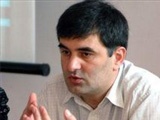
Субари — Subari
|
Previously, it was reported that representatives of
this sect are leaving Georgia because of horrible
conditions and ethnic intolerance.
|
|
| Молокане якобы уже получили
от министерства по чрезвычайным ситуациям России предложение
поселиться в Краснодарском крае. |
The Molokane
allegedly received a proposal from the Ministry of Emergency
Situations of Russia to settle in Krasnodar
krai. |
| Созар Субари заявляет,
что аппарат народного защитника не регистрировал
заявлений молокан об этническом преследовании. «Этот вопрос
российская сторона поднимает с целью провокации», —
считает омбудсмен. Молокане в основном проживают в Кахети, в
селах Ульяновка и Свободное. |
Sozar
Subari said that the staff of the Ombudsman [his
office] has not registered Molokan statements about
ethnic persecution. "This issue is raised on the side of the
Russians for the purpose of provocation," thinks the
Ombudsman. Molokane reside mainly in Kakheti
district, and in the villages Ul'yanovka and Svobodnoe
[Kvemo
Kartli district]. |
|

Религия и общество
— Среда,
25
февраля 2009 г. |
NEWSru.com
Religion and Society — Wednesday, February 25,
2009 |
Из Грузии уезжают молокане
|
Molokans Leaving Georgia
|
| По информации НПО "Центр по
правам человека", проживающие в Грузии молокане получили от
российского Министерства по чрезвычайным ситуациям
предложение поселиться в Краснодарском крае и уже приводят в
порядок документы. |
According to the non-profit* Center for Human
Rights, Molokane living in the Democratic
Republic
of Georgia received an offer to settle in Krasnodar
krai** [Russian
Federation] from the Russian Ministry of Emergency
Situations, and the necessary documents [visas, passports,
house books***]
are being processed.
* NGO
—
Non-governmental organization.
** 300 miles northwest,
over the Caucasus mountains.
*** A home ownership
and residency book showing legal title to your residence
and citizenship.
|
| Народный
защитник Грузии Созар Субари категорически опроверг
сообщения о гонениях на членов этой секты, которые
поселились в Грузии два века назад, спасаясь от
царских преследований. "Мы ни разу не регистрировали
заявления молокан об этнических преследованиях, так
как таковых фактов не было. Этот вопрос специально
поднимается с провокационной целью, чтобы показать,
что в Грузии идут гонения на русских", - заявил
омбудсмен. |
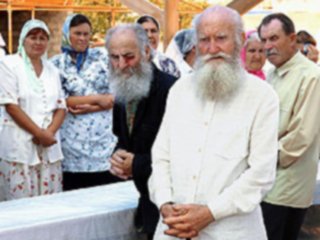
|
The Public
Defender of Georgia [Ombudsman], Sozar
Subari, categorically denies allegations of
harassment of members of the sect, who settled in
Georgia 200 years ago to escape the Tzar's
persecution. [Error:
Most sectarians migrated voluntarily.] The
Ombudsman stated: "We never registered reports about
ethnic persecution of Molokane, because
there were no such facts. This issue was raised
specifically in a provocative way, to show that
Russians are persecuted in Georgia".
|
|
| В настоящий момент молокане
проживают в основном в Кахетии, в селах Ульяновка и
Свободное, сообщает "Благовест-инфо" со ссылкой на
грузинский русскоязычный еженедельник "Головинский
проспект". |
Currently Molokane
reside mainly in Kakheti
district, and in the villages Ul'yanovka and Svobodnoe
[Kvemo
Kartli district], said "Blagovest-info" with reference
to the Georgian Russian-language weekly newsletter
"Golovinskii Prospect." [Also, 5 congregations were counted in Tbilisi city
in 2007, including Pryguny
and Subbotniki.]
|
|

rosbalt.ru/2009/02/25/621281.html
|
POCBALT
KAVKAZ
|
Российские сектанты уезжают из Грузии
|
Russian sectarians are leaving Georgia
|
| ТБИЛИСИ, 25 февраля.
Проживающие в Грузии члены секты молокан получили от
российского Министерства по чрезвычайным ситуациям
предложение поселиться в Краснодарском крае и уже приводят в
порядок документы, сообщает NEWSru.com. |
TBILISI, February 25. Members
of the sect of Molokane living in Georgia,
received an offer to settle in Krasnodar krai from the
Russian Ministry of Emergency Situations, and documents are
already being prepared, reports the news agency NEWSru.com.
|
Народный защитник Грузии
Созар Субари категорически опроверг сообщения о гонениях на
членов этой секты, которые поселились в Грузии два века
назад, спасаясь от царских преследований. «Мы ни разу не
регистрировали заявления молокан об этнических
преследованиях, так как таковых фактов не было. Этот вопрос
специально поднимается с провокационной целью, чтобы
показать, что в Грузии идут гонения на русских», — заявил
омбудсмен.
|
The Public Defender of
Georgia [Ombudsman], Sozar
Subari, categorically denies allegations of harassment
of members of the sect, who settled in Georgia 200 years ago
to escape the Tzar's persecution. [Error: Most sectarians migrated
voluntarily.] The Ombudsman stated: "We never
registered reports about ethnic persecution of Molokane,
because there were no such facts. This issue was raised
specifically in a provocative way, to show that Russians are
persecuted in Georgia". |
| В настоящий момент молокане
проживают в основном в Кахетии, в селах Ульяновка и
Свободное. |
Currently Molokane
reside mainly in Kakheti
district, and in the villages Ul'ianovka and Svobodnoe
[Kvemo
Kartli district]. [Also, 5 congregations were counted in Tbilisi city
in 2007,
including Pryguny
and Subbotniki.] |
| Впервые термин «молокане» был
использован в конце XVIII века в отношении людей, отвергших
православный культ. Есть несколько теорий происхождения
названия. Согласно одной из них, молокане пили молоко в
постные дни, когда приём «скоромной» пищи запрещён
православными канонами, за что их и прозвали молоканами.
Сами молокане предпочитают ссылаться на упомянутую в Библии
метафору «духовного молока». |
The term "Molokane"
was used for the first time in the late 1700s for people
rejected by the Orthodoxy as a cult. There are several
theories about the origin of the name. According to one, Molokane
drank milk during fasting days when eating "forbidden"* food was banned by
Orthodox
canons [religious laws], and for that they were
nicknamed Molokane. Molokane themselves
prefer to invoke the metaphor "spiritual
milk" mentioned in the Bible.
* Meat dishes or dishes containing milk products
|
Ссылки по теме:
|
|
| Обсуждение |
Discussion
|
25-02-2009
—
Странник — Re[24]:
... были частные случаи и экономический спад вот поэтому
русские оттуда уехали еще раз обращаю внимание на то что
помимо русских оттуда уехало от 10 до 30% местного
населения. их что тоже резали? кстати подавляющее
большинство малакан приехали НЕ в Россию, а в Канаду и
Австралию. они в России не прижились. а ведь это самые что
нинаесть чистокровные русские.
|
February 25, 2009 —
Wanderer — Response #24
... There were special cases, and the economic downturn is
why Russians left from here, and this again draws attention
to the fact that besides the Russians from 10% to 30% of the
local population left. Were they also cut down? By the way
the vast majority of Molokane
did not go to Russia but to Canada and Australia.* They are not
rooted in Russia. In fact they are not of pure Russian
blood..
* Error: One-third of
Doukhobors, not Molokane, migrated to Canada about
1900. About 30 Dukhizhizniki from Armenia migrated
to Australia in the 1990s. Most sectarians are
pure-blooded Russians, but not all. The misinformative
comment: "...they are not of pure Russian blood" may
derived from zealot Spiritual Christians claiming "We have
our own religion," which implies they are separate tribe
or group in the Caucasus.
|
проживающие в Грузии молокане получили от
российского Министерства по чрезвычайным ситуациям
предложение поселиться в Краснодарском крае и уже приводят
в порядок документы.
L, 26.02.09
10:43:08, (id: 695989) |
Molokane living in Georgia, received an offer to settle in
Krasnodar krai from the Russian Ministry of Emergency
Situations, and documents are already being prepared
L, 26.02.09 10:43:08, (id: 695989)
|
| В Краснодарском крае уже
живут молокане, которых теперь из-за Олимпиады будут
выселять со своих законных мест проживания. В Краснодарском
крае уже проживали временно турки-месхетинцы, которые теперь
эммигрируют в Америку. Потому что "гостеприимный" край так и
не предоставил им нормальных условий проживания и из-за
постоянных конфликтов с местным населением на национальной
почве. Турки, прекрасно обрабатывающие земли коренных
казаков уехали, земли теперь покрылись сорняком. |
Molokane already live
in Krasnodar krai*.
Now due to the [2014 Winter] Olympics [to be held in Sochi,
Krasnodar krai], they will be evicted from their legal
homes. Meskhetian
Turks temporarily used to live in Krasnodar krai, now
they are emigrating to America, because the "hospitable"
region did not provide them with good living conditions and
because of constant nationalistic conflicts with the local
residents. The land of the indigenous Cossacks was well
cultivated by Turks who left, and now the land is covered
with weeds.
* 40 Spiritual
Christian congregations counted in Krasnodar krai in 2007,
reduced to 8 congregations in 2013 due to migration and
aggregation.
|
|
Из Грузии уезжают молокане
комментариев
к статье — 2009 02 26
|
Molokane are leaving
Georgia
Comments about the article — February 26, 2009
|
Молокане это народ такой (по
типу староверов) по национальности они наши русские,
переселившиеся на Кавказ сотню лет назад. Много их в Азербайджане кстати
еще проживает, там целые посёлки у них свои есть. в основном
занимаются выращиванием овощей и пшеницы. Хлеб обалденно
вкусный пекут по старинным каким то своим рецептам в
горшочке! (я у них в гостях раз была когда мы в Баку
работали и нас к ним в деревню на экскурсию возили)
интересны й они народец !
|
By nationality, these Molokane
people (similar to Old Believers *) are our Russians who moved to
the Caucasus 100s of years ago. A lot of them to Azerbaijan, where
they still live and have their own entire villages.
They mainly work growing vegetables and wheat. They bake
awesome, delicious bread from their own old recipes using
little pots! (I was their guest once. When we worked in
Baku, they gave us a bus tour of their village [ Ivanovka].) They
are interesting people!
* A common error: Old
Believers are Orthodox. Molokane
are not Orthodox, but protestants.
|
|
М.Саакашвили призвал Д.Медведева
возобновить диалог
Bad
Dancer, 2009 02 26
Нет, батоно. Поздно пить боржоми. Пока Саакашвили у власти -
никаких переговоров.
|
M. Saakashvili [Georgia Prime Minister]
urged D. Medvedev [Russia Prime Minister] to resume
dialogue
Bad Dancer, February 26,
2009
No, knuckle-head. It's to late to drink Borjomi.* While
Saakashvili is in power, there are no negotiations.
[* Idiom meaning: "It's
to late to cure the illness." Borjomi
is the best Georgian mineral water, exported world-wide,
and found in many American stores.]
|
| Кстати, как это желание
переговоров с Россией стыкуется с сообщениями в сегодняшних
СМИ, что русские молокане, 200 лет живущие в Грузии, решили
вернуться в Россию из-за преследований по национальному
признаку? |
By the way, how does the
desire to negotiate with Russia fit with the reports in
today's news that the Russian Molokane, who lived in
Georgia for 200 years, decided to return to Russia because
of persecution on ethnic grounds? |
|

Regions.ru
— 26.02.2009 |
Regions.ru
Federation News
February 26, 2009 |
Сектанты-молокане перебираются из Грузии в Краснодарский
край
|
Sectarian Molokane are moving from Georgia to
Krasnodar krai
|
| По информации НПО «Центр по
правам человека», проживающие в Грузии молокане получили от
российского Министерства по чрезвычайным ситуациям
предложение поселиться в Краснодарском крае и уже приводят в
порядок документы. |
According to the non-profit* Center for Human
Rights, Molokane living in the Democratic
Republic
of Georgia received an offer to settle in Krasnodar
krai** [Russian
Federation] from the Russian Ministry of Emergency
Situations, and the necessary documents [visas, passports,
house books***]
are being processed.
* NGO
—
Non-governmental organization.
** 300 miles north,
over the Caucasus mountains.
*** Home ownership and
residency book. |
| «Народный защитник Грузии»
Созар Субари категорически отверг сообщения о гонениях на
членов этой секты, которых власти Российской империи
переселяли на Кавказ, пишет »Седмица». «Мы ни разу не
регистрировали заявления молокан об этнических
преследованиях, так как таковых фактов не было. Этот вопрос
специально поднимается с провокационной целью, чтобы
показать, что в Грузии идут гонения на русских», — заявил
омбудсмен. |
The Public Defender of
Georgia [Ombudsman], Sozar
Subari, categorically denies allegations of harassment
of members of the sect, who settled in Georgia 200 years ago
to escape the Tzar's persecution. [Error: Most sectarians migrated
voluntarily.] The Ombudsman stated: "We never
registered reports about ethnic persecution of Molokane,
because there were no such facts. This issue was raised
specifically in a provocative way, to show that Russians are
persecuted in Georgia". |
В настоящий момент молокане
проживают в основном в Кахетии, в сёлах Ульяновка и
Свободное. Их положение резко ухудшилось после разгрома
Грузии в югоосетинском конфликте, что вынудило их искать
переселиения в Грузии.
|
Currently Molokane
reside mainly in Kakheti
district, and in the villages Ul'ianovka and Svobodnoe
[Kvemo
Kartli district]. [Also, 5 congregations were counted in Tbilisi city
in 2007.] Their situation has worsened after the
defeat of Georgia in the South-Ossentia conflict, forcing
them to seek refuge from Georgia.
|
| Молокане – секта,
распространившаяся в Центральной и Южной России в XVIII-XIX
вв. В 1830-х годах, по декрету Николая I, для заселения
молоканами и духоборами открываются закавказские провинции.
В конце XIX века число молокан в России превышало 500 тыс.
человек. Большинство из них жили в Закавказье (в том числе в
Карсской области, впоследствии отошедшей к Турции), и на
Северном Кавказе. |
In the 1700-1800s, the Molokan
sect spread to Central and Southern Russia. In the 1830s, a
decree by Nicholas I for the resettlement of Molokane
and Dukhobortsy opened the Caucasian provinces. At
the end of the 1800s, the number Molokane in Russia
exceeded 500,000. Most of them lived in the Caucasus
(including Kars oblast, which was later returned to Turkey)
and in the North Caucasus. [Error: Less
than 25% lived in the Caucasus.]
|
| В начале 1900-х годов
несколько тысяч молокан эмигрировало в США (западное
побережье) и Мексику (северо-запад). На сегодня в
Соединённых Штатах около 20 тысяч человек «этнически
идентифицируют себя как молокане», в том числе около 5 тысяч
регулярно посещают молоканские служения. Часть молоканских
семей переселили также в украинские степи, по большей части
в нынешнюю Запорожскую область. |
In early 1900s, several
thousand Molokane emigrated to the U.S. (Westcoast)
and Mexico
(Northwest). Today in the United States, about 20,000 people
"ethnically identify themselves as Molokane", and
about 5000 regularly attend Molokan services. Some
Molokan families moved to the Ukrainian
steppes, most are currently in Zaporozh'e
province.
|
| Учение молокан во многом
напоминают некоторые ветви протестантства, хотя и возникло
на русской почве (возможно, под влиянием знакомства с
западным протестнтизмом). Молокане веруют в Христа, но
отвергают все наружные обряды и церковные таинства,
признавая поклонение Богу "только в духе и истине", не
признают икон, называя Божьей иконой человека, не признают
святых, не имеют духовной иерархии, не употребляют в пищу
свинину и спиртное, не соблюдают православных постов, иногда
отказываются от службы в армии. |
Molokan doctrine
closely resembles some branches of Protestantism, although
they appeared on Russian soil (possibly influenced by
familiarity with Western Protestantism). Molokane
believe in Christ, but reject all the external rites and
church sacraments, and worship God "only in spirit and in
truth". They do not recognize icons or saints, and consider
man to be God's icon. They do not have a spiritual hierarchy
[priests]. They do not eat pork, drink alcohol, nor obey
Orthodox fasts; and sometimes refuse to serve in the army. |
|
| Обсуждение |
Discussion
|

Это правда? — 1-4.03.2009
|
Forum TVS
Discussion Club
— Echo
Moscow
It this true? — March 1 - 4 ,
2009 |
Случайно в Википедии
наткнулся на информацию:
Гонение на молокан в Грузии
После войны в Южной Осетии 2008 грузинское правительство
начало гонения на молокан (этнических русских). В результате
молокане вынуждены были просить убежища в России и получили
согласие от Российского правительства. По состоянию на конец
февраля 2009 года идёт оформление документов на переселение.
Тут много специалистов из Грузии. Как они это
прокомментируют? |
I accidentally stumbled upon
this information in Wikipedia:
Persecution of Molokane in Georgia
After the war
in
South Ossetia, in 2008 the Georgian Government
started harassing Molokane
(ethnic Russians). As a result, Molokane were
forced to seek asylum in Russia and obtained the consent
from the Russian government. At the end of February 2009
documents for relocation were being prepared.
There are many specialists from Georgia here. Can they
comment on this?
|
Вот они какие русские: пенсии
им не нужны, а дети должны заботится о своих пожилых
родителях. Смотри Молокане
|
They [Molokane] are a
type of Russian: they do not need pensions, and children
should take care of their elderly parents. More about Molokane
[machine translated]. |
Там что-то напутано. Гонения
на молокан, как и на всех инородцев, имели место в 2000-2001
годах, при правлении Гамсахурдиа. Именно тогда молокане и
покинули Грузию в массе своей. Сейчас на всю Грузию
осталось, наверное, не более сотни молоканских семей. Не
исключаю, что под шумок, учитывая, что Россия тоже не
распахивает объятия молоканам, как и всем прочим русским из
зарубежья, кто-то из молокан решил козырнуть и запросить в
России убежища.
|
There's some kind of a mix
up. Persecution of Molokane, like all foreigners,
took place in 2000-2001 under the rule of Gamsakhurdia* At that time Molokane left
Georgia en-mass. Now in all of Georgia there are
probably no more than a 100 Molokan families
left. Probably, considering that Russia would not totally
embrace Molokane,
like all other Russians from abroad, some Molokan
decided to show-off and seek refuge in Russia.
* Dates are wrong. Dr.
Zviad K. Gamsakhurdia (1939-1993) was the first
democratically elected president of Georgia in 1991, until
his mysterious death in 1993. |
| Козырнуть просьбой об
убежище... Знакомо, знакомо... |
To show-off asking for asylum
... Familiar, familiar ...
|
А как они в Грузии оказались?
Неужто от своих, русских бежали? Горемыки. То русские их, то
грузины, то снова русские...
Так же, как в Сибири оказались староверы. А молокане,
духоборы и прочие сектанты еще в конце 18 века обосновались
в Грузии и Армении.
|
And how did they end up in
Georgia? Why did they flee their own Russians? Unfortunate
people. First Russians got them, then Georgians, then
Russian again ...
Just as Old Believers ended up in Siberia; Molokane,
Dukhobory and other sectarians settled in Georgia
and Armenia in the late 1700s. [Sectarian Doukhobors first arrived in Azerbaijan
in 1839, followed by Molokane, Subbotniki,
etc... to settle the Caucasus.] |
Так-таки да! Вы будете
смеяться, но русские молокане бежали в Грузию именно от
русских. Но не от всяких русских, а от верхушки РПЦ, от
Святейшего Синода, который их преследовал, что твой КГБ.
А грузины, армяне и Ватикан их почему-то не преследовали. |
That's right, yes! You'll
laugh, but the Russian Molokane
fled to Georgia from the Russians. But not from all
of the Russians, from the leaders of the Russian
Orthodox Church, from the Holy Synod, that persecuted them,
like your KGB.
But for some reason Georgians, Armenians and the Vatican did
not persecute them [Molokane]. |
Из Ульяновки и Свободного
молокане уехали еще в 90-м. Одну семью (из Ульяновки,
большая семья моего походного приятеля) я лично провожал, в
аэропорт отвозил. Там тогда уже всего пять семей оставалось.
А в Свободном и того меньже жило.
|
Molokane already moved from
Ul'yanovka and Svobodnoe by 1990. I personally drove the
large family of my Army buddy from Ul'yanovka to the
airport. At that time only five families remained [in
Ul'yanovka], and less lived in Svobodnoe.
|
| Кажется в Гомбори жили
какие-то сектанты, возможно молокане. Я их знал крайне
положительные впечатления. Хорошо уживались с местными
коренными (как любят теперь говорить — автохтонными). |
It seems like some sectarians
lived in Gombori [Kakheti
district], maybe Molokane.
I knew them — a very positive experience. They get along
well with the local indigenous people (as we now like to say
— autonomous). |
Жили, но то были духоборы, не
молокане. У молокан, духоборов, пятидесятников вообще не
было никаких проблем ни в Грузии, ни в Армении. При
Гамсахурдиа только какие-то отморозки начали на них наезжать
непонятно зачем, причем не в Ульяновке и в Свободном, что в
благодатной Кахетии, а в Богдановке — этой бесплодной
грузинской Сибири. Из Богдановки молокане [? наверно духоборы] уехали
почти полностью, Богдановка стала называться Ниноцминда, а сваны,
которые вроде бы туда стремились, предпочли осесть в Тбилиси
и Рустави.
Я знал многих тбилисских молокан, ведь моя школа на Песках
находилась — этаком Вавилоне. Те, которые сохранили свои
традиции и уклад, очень интересные люди: не пили и не курили
абсолютно, не употребляли никаких непристойных выражений ни
при каких обстояятельствах (правда, по роже заехать вполне
могли, если за дело) и были педантично аккуратны. |
But it was Dukhobors not Molokane who
lived there [in Gombori]. Molokane, Dukhobors, and Pentecostals
did not have any problems in Georgia or Armenia. During [the
term of President] Gamsakhurdia [1991] some scumbags started
to pick on Molokane,
but it's not clear why. It happened not in Ul'ianovka or
Svobodnoe, which are located in prosperous Kakhetia region,
but in Bogdanovka, the barren Georgian Siberia [where
nothing grows].[? probably Doukhobors]
have almost completely left Bogdanovka. Bogdanovka is now
named Ninotsminda. And the Svans
[ethnic group] that originally wanted to move there
preferred to settle in Tbilisi and Rustavi.
I knew many of the Tbilisi Molokane
because I attended school in Peski [district]*, with many
cultures [Babylon]. Those who retained their traditions and
way of life are very interesting people. They do not drink
or smoke, and don't use foul language in any circumstances
(but actually they would beat you up if necessary) and they
were very meticulously and neat.
* Peski is Russian for
"sand", a river bank area, like the Flat(s)
in Los Angeles. The Georgian word for sand is rike.
Today this low area is the large Rike
Park.
|
| Это не совсем так. Молокане
например чтут Александра 1. В их верованиях считалось что
гора Арарат — это богоизбранное место, потому они там и
селились. Но и правительство нужно понять, молокане не
хотели служить в армии. Кроме того, молокане выполняли
важную политическую задачу царского правительства на
задворках Империи — заселяли русскими недавно
преобретенные территории. .... Они своию Реформацию в крови
умыли, а Вы говорите о русской. Грузины и в 19 веке
враждовали с молоканами и Царское правительство разрешило
молоканам владеть огнестрельным оружием. |
This is not quite true. Molokane for
example honor Tsar
Alexander
1. In their beliefs they [Dukh-i-zhizniki
(not Molokane)] think that Mount Ararat is
a God- chosen place, and that's why they [Dukh-i-zhizniki
(not Molokane)] settled there. But we need
to also understand the government, because [many] Molokane did not want to serve in
the army. In addition, [all Spiritual
Christians] Molokane performed an
important political task for the royal government on the
periphery of the Empire, to populate the recent expansion of
Russian territory. ... Their Reformation is covered in their
own blood, and you are talking about Russians [Orthodox]. In
the 1800s Georgians fought with Molokane, so the
Imperial government allowed Molokane to have firearms. [See section: "Pacifists
into Pacifiers: Violence and Colonial Contact", pages
189-201, in Dr. Breyfogle's book: Heretics
and
Colonizers: Forging Russia's Empire in the South Caucasus.]
|
| Не буду утверждать в
отношение молокан, но в период правления Шеварнадзе между
отдельными ветвями конфессий не православного толка были
недоразумения, как раз по вине православного христианства.
Представители протестантского толка не только подвергались
гонению, но против них применялось и физическое насилие. С
приходом Саакашвили яркого противостояния незаметно,
немаловажная здесь роль и Бурджонадзе как диалогового моста
между немногочисленными конфессиями. |
I will not argue against the
Molokane, but
during the term of President Shevardnadze
(1995-2003 there was a kind of misunderstanding between
different branches of the non-Orthodox faiths, which was
the fault of the Orthodox Church. Protestants were
persecuted and physical violence was used against
them. When Saakashvili
became president the strong opposition was ignored, and Burdzhanadze
played a significant role as a bridge with the minority
faiths. |
Мне приходлось встречаться с
[духоборцамы] молоканами
в районе Ахалкалаки . Это горная местность Грузии с очень
тяжелыми климатическими и жизненными условиями. В горах, на
высоте около 2000 метров над уровнем моря ,удивило русское
название деревни "Горелово" Очень интересный русский
народ:не пьют, не курят и очень чистоплотны. Всё вежливо
здoровались с нами, но в контакты не вступали. Женщины носят
прически в виде каланчи на голове, материалом которой служит
собственная коса. Все сооружение скрепляется платком.
|
I happened to meet [Doukhobors]
Molokane in the Akhalkalaki region.
This is a mountainous area of Georgia with a very harsh
climate to live in. I was surprised to learn about the
Russian- named village "Gorelova"
in mountains at an altitude of about 2000 meters above
sea level. There were very interesting Russian people who
did not drink, did not smoke and were very tidy. They all
politely greeted us, but did not make close contact. Women
have their braided hair wrapped high on their head
[tower-shaped]. And, all that construction was secured by a
scarf.
[See
65 articles with photos and maps about Doukhobors in
Georgia.]
|
| Еще раз пришлось встретиться с молоканами,
когда они приезжали к нам в часть за разрешением установить
памятник летчику — истребителю, погибшему в катастрофе, при
столкновении с горой, около их села.Они могли позволить себе
установить памятник летчику. Колхоз, который был в этом
селе, считался передовым. |
Once again I happened to meet with [Doukhobors]
Molokane, when they came to our army
post to get a permit to build a monument for a fighter pilot
who died in a plane crash, when he crashed into a mountain
near their town. They could afford to build a monument for
the pilot because their collective farm in this village was
prosperous. |
| Что там понадобилось Саакашвили? Непонятно.
Грузины в горах жить не могут. Горы не для них. Это Вам, не
лобио
в Тбилиси кушать. |
What did Saakashvili
need? It's not clear. Georgians cannot live in the
mountains. The mountains are not for them. Living in the
mountains is not the same as eating lobio
[a traditonal Georgian bean dish] in Tbilisil |
... [духоборы] молокане
в районе Ахалкалаки ....
Это Богдановка, ныне Ниноцминда. Правда, от Ахалкалаки
далековато будет, кратчайший путь туда от Тбилиси через
Цалку (в недавнем прошлом греческий район). Действительно,
очень суровое место, зимой двадцатиградусные морозы неделями
держатся. Странно, что в контакты не вступали, обычно очень
дружелюбны и контактны.
|
... [Doukhobors] Molokane
in Akhalkalaki.region ...
This is Bogdanovka, now called
Ninotsminda. It's true that from Akhalkalaki it will
be far. The shortest way there is from T'bilisi through
Tsalka (recently it was the Greek district). Indeed, a very
harsh place. In the winter they have -4° F. (-20° C.) frosts
for weeks. Strange that they did not come into close contact
with you, because usually they are very friendly.
|
| Кстати, семье "того парня"
два года не выплачивали пенсию потому, что не могли найти в
горах остатки самолета. Нашли молокане и сообщили нам. |
By the way, the family of the
dead pilot did not get his pension for two years because
they [the authorities] could not find the remains of the
plane in the mountains. [Doukhobors]
Molokane found it and reported to us. |
|
|
|
Spiritual
Christians in Georgia
Spiritual Christians
Around the World |